TL;DR
Precious metals investment kits are seller-assembled packages of bullion and sometimes related products; “kit” is a marketing format, not a guarantee of value or profit. Before buying, identify each item, compare the delivered price with its metal content and current spot prices, ask about buyback terms, and plan for secure storage. Gold and silver prices can fall as well as rise, and physical metal does not pay interest or dividends.
A box stamped “starter kit” can look reassuring, but the word kit tells you how a seller packaged the metal—not whether you are getting a fair deal. Inside might be familiar bullion coins, small bars, collectible pieces, or extras such as a storage case. The contents can differ sharply from one offer to another.

Get home office essentials delivered free with Prime
- Fast, free delivery on millions of items
- Prime Video, Amazon Music and more included
- Member-only deals all year
This guide explains what precious metals investment kits contain, how to compare the full price with the value of the metal, and what to check before choosing storage or resale options. You’ll see why a lower entry cost can come with a higher per-ounce premium, and why a buyback offer is not a guaranteed profit.
Physical gold and silver can be volatile and can lose value. They produce no interest or dividends, and a kit is not a diversified portfolio. Think of this as a practical checklist for understanding a purchase, not personal financial advice.
Treat “kit” as a packaging label, not a promise of quality, standard contents, or value.
Write down each item’s metal, weight, purity, form, and mint or refiner before comparing offers.
Compare the total delivered price with estimated metal content using current spot prices, and ask for the dealer’s current buyback terms.
Fractional pieces can make partial sales easier, but they often cost more per ounce.
Plan for secure storage, insurance, fees, and resale; metal prices can fall and bullion pays no interest or dividends.
What a Precious Metals Investment Kit Actually Includes
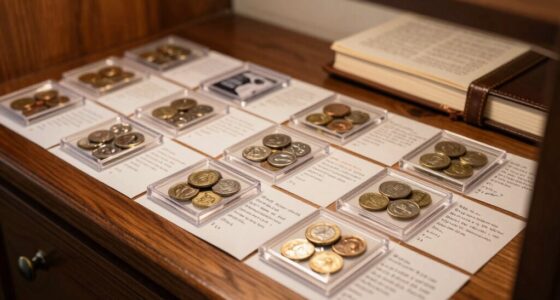
A precious metals investment kit is a seller-assembled package of physical bullion, usually gold, silver, or both, and sometimes related items such as educational materials or a storage product. There is no universal kit standard, so two boxes with similar names can contain very different metal, sizes, and product types. The label describes the packaging, not the quality or value.
For example, one seller might offer several widely recognized silver coins, while another bundles fractional gold pieces with themed coins and a presentation case. The second box may look more substantial, but a polished case does not add bullion weight. You need the exact metal, weight, purity, form, and mint or refiner for every item.
That item list also tells you whether the package is mostly bullion or includes collectibles. Bullion generally gets its value mainly from its metal content. A collectible coin can carry an extra premium tied to rarity or buyer demand, and that premium may be difficult to recover when you sell. A “limited edition” label alone does not show that the price is fair.
Some sellers use “starter kit” for products intended to make a first purchase feel simple. That convenience can help you learn the basics, but buying items individually may give you more control over selection and price. Imagine comparing two kits with the same silver weight: if one includes widely traded coins and the other has unfamiliar themed pieces, their resale prospects may differ even when the total ounces match.
Products Worth Considering

Dell UltraSharp 27 Thunderbolt Hub Monitor (U2726DER), QHD

Samsung 32-Inch M5 (M50F) FHD Smart Monitor

Samsung 27-Inch Odyssey OLED G6 QHD Gaming Monitor (G61SH)
As an affiliate, we earn on qualifying purchases.
Compare the Full Price, Not Just the Spot Price
The spot price is a market reference for a quantity of metal; it is not usually the price a retail buyer pays for a finished coin or bar. A kit’s delivered price may include fabrication, distribution, dealer margin, shipping, insurance, and payment fees. To judge the offer, compare the full amount you would pay with the approximate value of the metal it contains.
Say a kit lists one ounce of silver and several smaller pieces, but its headline says “low-cost entry.” Check the current spot price, add the metal content of every item, then compare that estimate with the total at checkout. If shipping or a card surcharge appears only at the final screen, include it. Exact prices change, so use current market quotes and the seller’s current written offer rather than an old example.
Small pieces often cost more per ounce than larger pieces because production and distribution costs make up a larger share of each item’s price. They can be useful if you want the option to sell a portion at a time, much like having smaller notes instead of one large bill. That flexibility has a cost, though, and it does not guarantee an easier or more profitable sale.
Ask the dealer what it would currently pay to buy the exact products back. The difference between that figure and your purchase price helps reveal the spread, but a quote can change with market conditions and dealer policy. A buyback offer is not a promise that the dealer will pay the same amount later—or that another buyer will offer more.
Use These Five Checks Before You Place an Order
Before you buy a precious metals investment kit, verify the product details, total cost, resale terms, seller policies, and any special account rules. Those checks turn a glossy sales page into a purchase you can actually compare. Keep the product list and price in writing; that makes it easier to spot missing fees or vague claims.
- List every item. Record its metal, weight, purity, form, mint or refiner, and condition. For instance, “one silver coin” is not enough detail to compare against another offer.
- Calculate the delivered total. Add the kit price, shipping, insurance, payment surcharges, and any other checkout fees. Compare that figure with the estimated metal content using current spot prices.
- Ask about resale. Request the dealer’s current buyback policy for the exact coins or bars, including any conditions that could affect the offer.
- Read the terms. Check the return window, payment methods, shipping arrangements, and the seller’s track record. A pressure-filled call urging an immediate decision is a reason to slow down and compare.
- Check account and tax details. “IRA eligible” does not by itself establish that a product or arrangement fits your situation. Account, custodian, storage, and tax rules can add separate costs and requirements; check local rules and seek qualified tax advice for personal circumstances.
For example, if one dealer offers a standard bullion coin at a higher delivered price but publishes a clear buyback policy, while another offers themed coins with unclear pricing, the itemized comparison gives you more to work with. Neither a certificate nor a sales claim replaces the details. Check each point before sending payment.
Choose Coins, Bars, and Fractional Pieces for Your Needs
Coins and bars can both contain investment-grade bullion, but their size, recognition, premium, and ease of resale can differ. There is no form that is automatically best for every buyer. Compare the specific product and its full cost instead of assuming that a coin is safer or a bar is cheaper.
A beginner comparing a familiar coin from a recognized mint with an unfamiliar, heavily marketed round should ask how each is priced and who might buy it later. Widely recognized products are often easier to price and resell, though that does not guarantee a particular resale amount. Unusual or collectible products can appeal to some buyers, but their extra premium may be harder to recover.
Fractional pieces let you sell or share smaller quantities, which can be handy if you do not want to part with a full ounce at once. The tradeoff is that they often carry a higher premium per ounce. It is like buying a small bottle of water at a convenience shop: easier to carry, but the unit price can be higher than buying a larger bottle.
Ask how the dealer quotes both the sale price and the buyback price for the exact coin or bar. If a kit mixes bullion with collectible items, request separate prices where possible. That way you can see whether you are paying mainly for metal or for a premium that depends on future demand. Local tax treatment can also vary by product and jurisdiction, so check the rules that apply where you live.
Plan for Storage, Insurance, and a Possible Sale
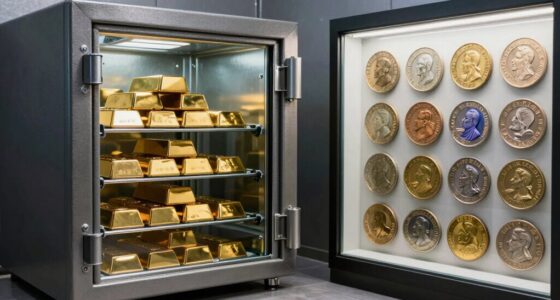
Owning bullion means deciding where it will sit after the delivery box arrives. Common choices include a secure home safe or professional vault storage, and each brings costs and practical questions. Think about theft risk, access, insurance, and fees before purchase rather than treating storage as an afterthought.
For example, someone who buys a compact silver kit might prefer keeping it accessible at home, while a buyer with a larger holding may compare professional vault services. A home safe can make access straightforward, but you need to understand whether your insurance covers bullion and under what limits. A vault can add security and records, but storage or account fees can reduce what you retain.
Before choosing a service, ask whether the metal is insured, what events the policy covers, how holdings are documented, and how you request delivery or sale. Read the fee schedule, including recurring charges. If a package is marketed as “IRA eligible,” separate the metal itself from the account arrangement: self-directed retirement accounts can have specific eligibility and storage rules, and a custodian or third party may charge fees.
Resale deserves the same advance planning. A dealer may buy back products, but the price and conditions vary. Keep invoices, item descriptions, and any certificates together so you can identify what you own. If a dealer’s current quote is below your purchase cost, that does not necessarily mean the quote is mistaken; the original premium and changing market prices can both affect the gap.
Keep Market Headlines in Perspective
Gold and silver prices can react to inflation concerns, geopolitical uncertainty, central-bank gold purchases, currency movements, and changing interest-rate expectations. In recent years, those forces have accompanied strong demand at some points and sharp reversals at others. They can affect market prices and retail premiums, but they do not tell you what prices will do next.
That distinction matters when a sales pitch links a kit to a dramatic headline. Imagine a buyer hears that investors are worried about inflation and orders a themed gold bundle the same afternoon. The headline may explain why interest has increased; it does not show whether the bundle’s price is competitive or whether the buyer can sell it later without a loss.
Physical metals can fall in value, and unlike a bond or dividend-paying share, bullion does not generate interest or dividends. A kit is a purchase of physical metal, not a diversified investment portfolio. Someone who needs the money soon may face a poor moment to sell, especially after paying premiums, shipping, and storage costs.
Recent retail offerings include starter bundles, fractional products, themed coin collections, and retirement-account packages. Their names and promises differ by seller. Treat claims such as “guaranteed profit” with skepticism, and remember that “certified,” “limited edition,” or “IRA eligible” does not by itself make something a good value. This article offers general information, not financial advice; personal choices depend on your finances, objectives, and tolerance for risk.
Frequently Asked Questions
Is a precious metals investment kit a good investment?
It depends on the kit’s contents and price, your objectives, and your financial circumstances. A kit does not guarantee a return, and gold or silver can lose value; physical bullion also pays no interest or dividends.
How can I tell whether a kit’s price is fair?
Identify each item and its metal content, then estimate that content’s value using current spot prices. Compare it with the full delivered price, including shipping and fees, and request a current buyback quote for the exact products.
Are coins or bars better to buy?
Neither form is always better. Compare recognition, premium, size, resale options, and local tax treatment for the specific products you are considering.
Are fractional gold or silver pieces worth the higher price?
They can offer flexibility if you want to sell a smaller amount at a time. They often carry a higher premium per ounce, so compare that extra cost with the convenience you expect to use.
Can I sell a kit back to the dealer?
Some dealers buy back products, but terms and prices vary and may change with the market. Ask for the current policy and quote in writing; a buyback offer is not a guaranteed future resale price.
Where should I store physical bullion?
Buyers commonly use a secure home safe or professional vault storage. Compare access, theft risk, insurance coverage, and recurring fees, and confirm what any insurance policy actually covers.
Does “IRA eligible” mean a kit belongs in a retirement account?
No. A marketing label does not establish that the product or arrangement fits your circumstances. Retirement accounts can have specific product, custodian, and storage rules, along with additional fees and tax considerations.
Conclusion
Before you buy, get an itemized list, calculate the full delivered price, and ask what the seller would pay for those same items today. That simple routine makes a convenient package easier to judge on its actual contents and costs.
Remember: bullion can rise or fall, and no kit guarantees a return. Keep the paperwork close, the sales claims at arm’s length, and your expectations as clear as the metal in the box.