
You may have admired the rise of gourmet burger brands, but their recent struggles reveal a different story. Despite offering high-quality ingredients and innovative menus, many face mounting costs and shifting consumer habits that threaten their survival. As one well-known chain files for bankruptcy, it’s clear that the high price of premium offerings can come at a steep cost. What exactly went wrong, and what does this mean for the future of upscale fast food?

Get home office essentials delivered free with Prime
- Fast, free delivery on millions of items
- Prime Video, Amazon Music and more included
- Member-only deals all year
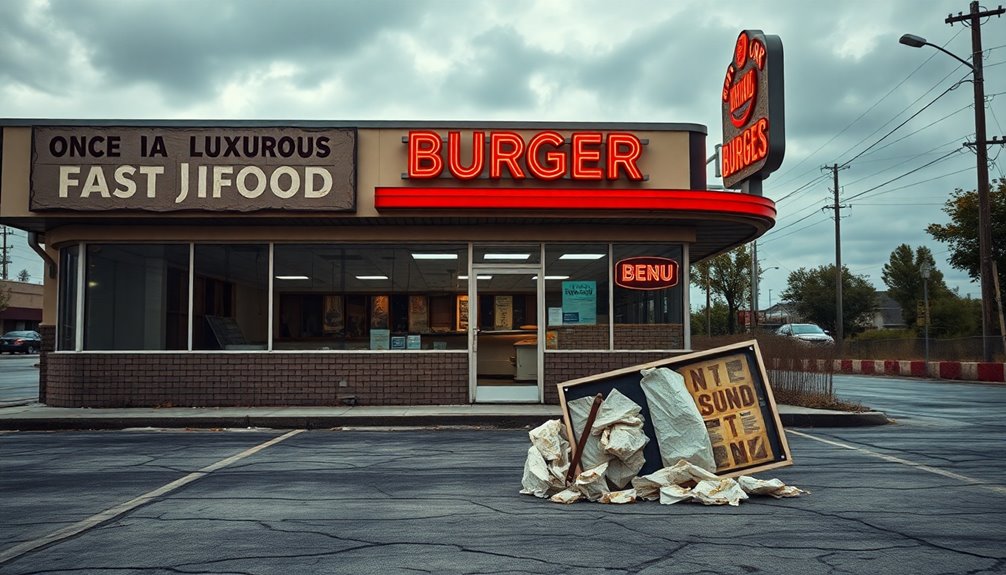
The burger industry is facing significant upheaval as once-thriving chains struggle to stay afloat. Red Robin, a popular name in the gourmet burger scene, reported a staggering $39.7 million net loss in the fourth quarter of fiscal 2024, nearly triple the loss from the same period the previous year. Revenue also declined by $23.8 million, partly due to having one less operating week compared to 2023. To stay viable, the company plans to close 70 underperforming locations across the U.S. and Canada over the coming years, with an initial wave of 10 to 15 closures expected as early as 2025. These closures won’t happen overnight but will be phased out as leases expire, reflecting a strategic attempt to cut costs and stabilize operations amid ongoing financial pressure. Meanwhile, BurgerFi, another player in the gourmet burger market, filed for Chapter 11 bankruptcy in September 2024. The chain’s struggles stem from rising operational costs and a sharp decline in consumer spending after the pandemic, which led to a 13% drop in same-store sales in the first quarter of 2024. Reports point to poor leadership decisions and a drastic decline in demand as key factors behind its financial distress. Following the bankruptcy filing, BurgerFi was acquired by TREW Capital Management for $44 million in October 2024, signaling a shift in ownership as the brand seeks to reposition itself for growth amid turbulent market conditions. Both chains are actively trying to turn things around. Red Robin is focusing on bringing customers back with new menu offerings and efficiency improvements. Plans are underway to sell three owned properties in early 2025, which could net around $5.8 million, providing a much-needed financial boost. BurgerFi, now under new ownership, is positioning itself for future growth, hoping to recover from its bankruptcy and market setbacks. Some burger brands that managed to stay afloat launched initiatives like loyalty programs and menu innovations designed to rekindle customer interest, contrasting with others that are simply trying to survive. Consumer behavior has shifted dramatically, influenced by economic pressures and changing habits. Despite delivering high-quality food and service, chains like Red Robin have seen reduced traffic, with declining dine-in and gourmet burger demand post-pandemic. Rising ingredient and operational costs continue to squeeze profit margins, forcing many chains to cut jobs. Over 400 layoffs have occurred across related sectors, disrupting employees and local economies. Some closures, coinciding with ongoing promotional events, caused refunds and cancellations, adding to the instability. On the financial front, BurgerFi’s stock was delisted from Nasdaq for failing to file financial results on time, eroding investor confidence and complicating the chain’s restructuring efforts. The chapter 11 bankruptcy not only provided legal protection but also offered opportunities for reorganizing debt and operations. In addition, the industry is seeing increased competition from fast-casual and delivery-focused brands, further pressuring traditional gourmet burger chains. Yet, these financial struggles highlight the high stakes in the gourmet burger industry, where the combination of rising costs, shifting consumer preferences, and management missteps can rapidly turn a once-thriving brand into a cautionary tale of economic harshness.
As an affiliate, we earn on qualifying purchases.
As an affiliate, we earn on qualifying purchases.
restaurant quality burger patties
As an affiliate, we earn on qualifying purchases.
As an affiliate, we earn on qualifying purchases.
As an affiliate, we earn on qualifying purchases.
Halloween Picks
halloween
As an affiliate, we earn on qualifying purchases.