
TL;DR

Get home office essentials delivered free with Prime
- Fast, free delivery on millions of items
- Prime Video, Amazon Music and more included
- Member-only deals all year
A precious metals investment kit is a seller-defined package of physical metals and sometimes educational materials or services; there is no standard set of contents. Before buying, itemize each product, compare the total cost with spot value and a realistic buyback quote, verify authenticity and paperwork, and account for storage, taxes, and risk of loss.
A gold coin in a velvet pouch can look like a tidy first step into precious metals. The price tag, though, may hide shipping, insurance, storage costs, and a gap between what you pay and what a dealer would pay to buy the coin back.
A precious metals investment kit is a packaged set of metal products sold to people starting out with physical gold, silver, platinum, or palladium. You’ll learn what a kit may contain, how to compare its real cost, and what to check before you commit money or choose a place to store it.
A “kit” has no standard contents, so get an itemized list with each product’s metal, weight, purity, and maker.
Compare the full purchase cost with spot value and a written buyback quote for the exact contents.
Bullion and collectibles can have different premiums and resale markets; rarity claims need independent support.
Check authenticity, seller terms, storage costs, insurance, and access before committing.
Metal prices can fall, products pay no interest or dividends, and tax or retirement-account rules depend on your jurisdiction.
What you may actually get in a precious metals investment kit
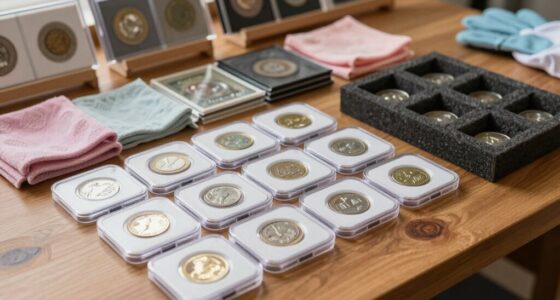
A precious metals investment kit is a seller-assembled package of physical metals, such as coins or bars, sometimes bundled with educational material, storage information, certificates, or an account-opening offer. No single rule sets what a kit must include, so the name alone tells you little about the value inside. A package can be convenient to order while still combining products with very different premiums or resale demand.
For example, one package might contain two silver coins and a printed guide, while another offers a small gold bar alongside paperwork and a sales consultation. Ask for the complete itemized list: metal type, product name, weight, purity, quantity, and any non-metal items or services. That breakdown lets you separate the value of the metal from the price of advice, packaging, or account services, and helps you compare like with like across sellers.
Think of the word “kit” like a picnic basket: the label tells you the format, not whether you’re getting a full meal. Read the invoice and written terms before you treat the package as a straightforward amount of gold or silver. If the seller will not identify every product and charge, you cannot reliably judge what you are paying for or what you might later sell.
How to compare a kit’s price with what you could recover
A kit’s fair price depends on its metal value and all-in costs, not just the headline figure. Compare the current spot value of the contents with the purchase price, then account for product premiums, shipping, insurance, storage, and the dealer’s repurchase terms. Spot is a reference price for metal, not a guaranteed price for a particular coin or bar; product premiums and selling costs affect the amount you actually recover.
Say a package costs $1,200 and its metal has a spot value of $1,000 at the time you check. The $200 difference is not automatically unreasonable or recoverable: it may include a premium and fees, while a dealer’s buyback quote could be lower than spot. Ask for that quote in writing and find out how the dealer calculates it. The gap between your full purchase cost and that quote is a useful measure of how much the metal would need to rise before you break even, though future prices and quotes can change.
Use this quick check before paying:
- List each item by metal, weight, purity, and quantity.
- Calculate the metal’s spot value using a current source, while remembering that spot prices change.
- Add every charge, including delivery, insurance, account fees, and storage.
- Request a buyback quote for the exact items and ask whether fees or conditions apply.
- Compare alternatives from other sellers, using the same product specifications.
A spreadsheet with one row per item can expose a padded premium faster than a glossy brochure can. It also shows whether a higher-priced product is paying for a feature you value, such as divisibility or broad recognition, or simply adding cost. The result is a cost comparison, not a promise about future resale value.
Coins and bars can behave differently when you resell
Bullion coins and bars are generally valued mainly for their metal content, while collectible coins can carry extra premiums tied to rarity, condition, and buyer demand. Those collector premiums may not come back to you when you sell. The practical difference is liquidity: a familiar bullion product may be easier for dealers to identify and quote, while a collectible can require finding a buyer who agrees with its specialized valuation.
Imagine two items with similar silver content: a widely recognized bullion coin and a scarce-looking commemorative coin. A local dealer may be able to price the bullion coin quickly, while the collectible’s value may depend on finding a buyer who wants that exact issue and accepts its claimed rarity. A potential higher collector price therefore comes with more uncertainty about timing and resale proceeds.
| Product type | What often drives its price | What to check |
|---|---|---|
| Bullion coin | Metal content, recognition, and dealer premium | Weight, purity, mint, and resale quote |
| Bar | Metal content, refiner, size, and premium | Manufacturer, assay or documentation, and buyer acceptance |
| Collectible coin | Metal plus rarity, condition, and demand | Independent support for the premium and likely resale market |
Neither coins nor bars are universally better. Smaller pieces can offer flexibility if you want to sell only part of a holding, but they may carry higher per-ounce premiums. Larger bars can reduce that premium, though they are less divisible and some buyers may be more selective about maker or documentation. If you want to compare products, ask multiple dealers what they would pay for each specific item, not just what they charge to sell it.
What to verify before trusting the metals or seller
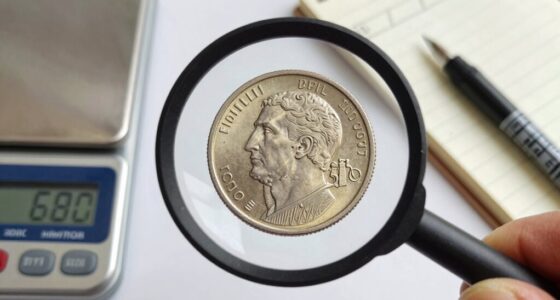
Before buying, verify each product’s metal, weight, purity, and maker, and learn how the seller establishes authenticity. These details matter because an item that is hard to identify or verify may take more effort to resell, and a buyer may offer less or decline it. A certificate or branded card can help document a purchase, but it does not replace clear specifications, credible sourcing, and an understandable return policy.
For instance, if a listing says “one-ounce silver bar,” ask whether that means one troy ounce of fine silver, who manufactured it, and how the seller handles suspected counterfeits. Keep the invoice and any product records together; these can help a future dealer confirm what you own and establish its purchase history. If the details remain unclear, an independent precious-metals professional can assess the item.
Be wary of a caller who says a rare offer expires tonight, promises a return, or claims one package is uniquely safe. Those are sales claims, not proof of value. Pressure can make it harder to compare prices and terms, while a promised return can obscure the fact that metal prices and resale offers change. Check the seller independently and read the delivery, cancellation, and buyback terms before sending payment.
Choose storage with security, access, and cost in mind
Physical metals need a storage plan that balances security, access, insurance, and recurring cost. Home storage gives you direct access but puts more responsibility on you; a professional vault may offer controlled custody for a fee; and a bank safe-deposit box has its own access rules and does not automatically come with bank insurance. The right choice depends partly on how quickly you need access and whether the ongoing cost is proportionate to the amount you hold.
Consider someone who buys a few small coins and wants them available at home. A bolted safe may fit that use, but the buyer should check their home insurance limits and avoid assuming a standard policy covers the full value. Someone holding more may compare vault fees, audit practices, insurance terms, and withdrawal procedures. Fees reduce the value of a small holding over time, while limited access can matter if you need to sell quickly.
Ask who legally holds the metals, whether they are allocated to you, what records you receive, and what happens if you close the account. Clear ownership records and withdrawal terms help you know whether you can retrieve the specific metal or only have a claim handled under the provider’s arrangements. Storage is part of the purchase cost, not an afterthought.
Understand the risks, taxes, and retirement-account limits
Precious metals can lose value, and physical products do not generate interest or dividends. A kit cannot guarantee profit or reliably protect you from losses in every market period; the metal’s price can move sharply as interest rates, currencies, inflation expectations, central-bank activity, and investor demand shift. Because the asset produces no income, any return depends on resale value exceeding your purchase and holding costs.
For example, if you need cash during a week when metal prices have fallen, you may have to sell below your purchase price after accounting for premiums and fees. This creates a tradeoff between holding for a possible recovery and accepting a loss to meet an immediate need. A seller’s suggested allocation is marketing, not personal financial advice, and no package removes the risk of loss.
Tax treatment depends on your location, the product, and how you hold it. Sales taxes, investment taxes, and retirement-account eligibility can differ, and retirement accounts may require approved products, custodians, and storage. These rules can change the true cost and limit how readily you can access the metal, so check current local rules with a qualified tax professional and confirm account requirements with the provider before buying.
Physical metal is an asset with costs and price risk. A package, certificate, or buyback program does not guarantee that you can sell for a profit.
Frequently Asked Questions
What exactly comes in an investment kit?
Contents vary by seller and can include bullion coins or bars, paperwork, educational materials, storage information, or an account offer. Request an itemized list showing metal, weight, purity, quantity, and any services before you buy.
How can I tell whether a kit is fairly priced?
Compare the purchase price with the current spot value of the listed metal, then add premiums, shipping, insurance, storage, and other fees. Ask for a written buyback quote for the same items so you can see the resale spread; neither figure predicts future value.
Are bullion coins better than bars?
Neither is always better. Compare recognition, premiums, divisibility, storage needs, and what dealers will pay for each specific product in your area.
Can I sell the metals back to the dealer?
Some dealers offer buyback programs, but the terms and price calculation vary. Read the written policy and ask whether fees or eligibility conditions apply; a buyback offer does not guarantee a profit or a particular price.
Where should I store the metals?
Compare home storage, a bank safe-deposit box, and a professional vault based on security, insurance, access, and recurring fees. A safe-deposit box is not automatically insured by the bank, so check coverage rather than assuming it.
Conclusion
Before you buy a precious metals investment kit, price the exact contents, ask what the dealer would pay to buy them back, and account for delivery and storage. Remember: a polished box can make a purchase feel simple, but the numbers still need to add up.
Halloween Picks
halloween
As an affiliate, we earn on qualifying purchases.