Precious metal verifiers help you quickly check if your gold, silver, or platinum items are genuine and determine their purity. They use methods like electrical conductivity and X-ray fluorescence to spot real metals, identify alloys, and flag counterfeits. However, they can’t tell where a piece comes from or how it was made. If you want to learn more about their capabilities and limitations, keep exploring how these tools work and what else you should consider.
Key Takeaways
- Precious metal verifiers detect purity levels and authenticity using methods like electronic conductivity and XRF analysis.
- They cannot determine a metal’s origin, provenance, or verify its certification or pedigree.
- These devices identify counterfeit or alloyed items but may be fooled by sophisticated fakes.
- Verifiers do not assess physical characteristics such as weight or hallmark authenticity.
- They are most effective when combined with visual inspection, documentation, and expert appraisal.
Have you ever wondered how to quickly and accurately verify the purity of precious metals? When you’re dealing with valuable items like gold, silver, or platinum, knowing their true quality is essential. That’s where precious metal verifiers come into play. These tools help you assess whether a metal is genuine and determine its chemical composition, which is key for both buyers and sellers. By analyzing the chemical makeup, these devices can identify if the metal is pure or if it has been alloyed or tampered with. This process is critical for counterfeit detection because it allows you to distinguish authentic precious metals from fakes or substandard alloys that might look convincing but don’t match the expected chemical signatures.
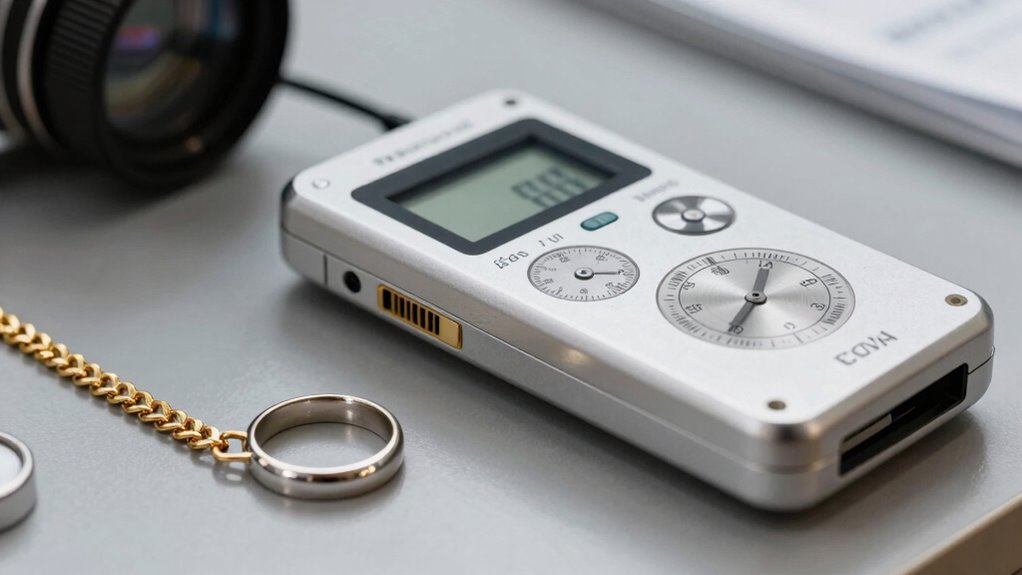
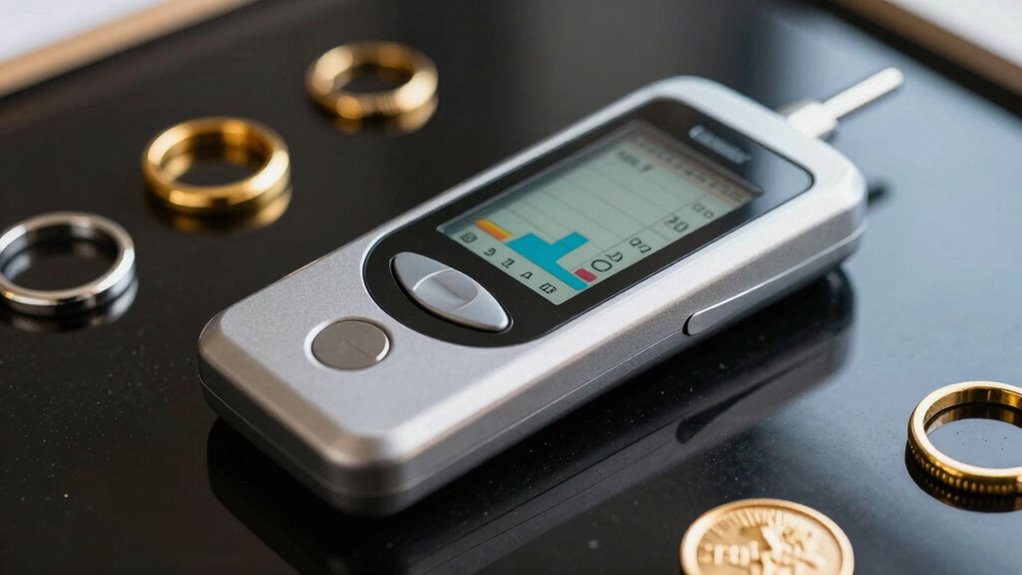
Precious metal verifiers work by applying various testing methods, such as electronic conductivity tests, X-ray fluorescence (XRF), or magnetic testing. Electronic conductivity testers, for example, measure how well the metal conducts electricity, which varies based on its chemical composition. Each precious metal has a unique electrical signature, so deviations can signal the presence of counterfeit or plated items. XRF analyzers go a step further by providing detailed elemental analysis, revealing the precise chemical composition of the object without damaging it. This allows you to confirm if the metal’s alloy content aligns with the standard purity levels like 24K gold or 925 sterling silver. Magnetic tests, while less precise, can sometimes help identify base metals or plated items that aren’t genuine.
However, it’s important to understand the limitations of these devices. While they excel at verifying chemical composition and flagging potential counterfeits, they can’t always determine the true origin or authenticity of a piece based solely on a quick scan. For instance, some counterfeiters use sophisticated methods to mimic the chemical signature of genuine metals, making it harder for basic verifiers to detect deception. Additionally, these tools generally don’t measure the metal’s weight or look for hallmark authenticity, which are also important factors in verifying precious metals. They are best used as part of a detailed assessment, combined with visual inspection, proper documentation, and expert appraisal.
Frequently Asked Questions
Can Verifiers Accurately Identify All Types of Precious Metals?
You might think verifiers can accurately identify all types of precious metals, but they have limitations due to metal composition. While they work well for common items like gold and silver, verification limitations can occur with plated or mixed metals. You should be aware that some devices may not distinguish between genuine and counterfeit or alloyed pieces, so for precise identification, additional testing methods are often necessary.
Do Metal Verifiers Detect Fake or Plated Jewelry?
Did you know that nearly 15% of jewelry sold worldwide is counterfeit? Metal verifiers can detect fake or plated jewelry by identifying differences in metal composition, aiding in counterfeit detection. However, they might struggle with very thin plating or advanced fakes. So, while they’re useful for spotting some fakes, don’t rely solely on them for plating identification—use additional tests for certainty.
Are Portable Verifiers Reliable for Professional Jewelry Assessment?
Portable verifiers are generally reliable for professional jewelry assessment when using handheld devices, but they shouldn’t be your sole method. These devices offer quick, on-the-spot results, making them useful for initial evaluations. However, for precise, certification-level accuracy, you should supplement them with more advanced testing methods. Always consider the device’s quality and calibration, and remember, professional use benefits from combining multiple testing techniques for the most accurate assessment.
How Do Environmental Factors Affect a Verifier’s Accuracy?
Environmental factors can seriously impact your verifier’s accuracy. Moisture interference can cause false readings or obscure true results, while temperature fluctuations might skew the device’s sensors. If you don’t account for these conditions, you risk misidentifying precious metals, leading to costly mistakes. Stay vigilant—store your verifier in a controlled environment, keep it dry, and avoid sudden temperature changes to guarantee consistent, reliable results every time.
Can Verifiers Distinguish Between Genuine and Synthetic Precious Metals?
You can’t rely solely on verifiers to distinguish between genuine and synthetic precious metals. While they excel at alloy differentiation and synthetic detection, advanced synthetic materials can sometimes mimic real metals. Verifiers analyze properties like conductivity and magnetic response, but for definitive results, consider additional testing methods. Recognize that some synthetic alloys may pass as authentic, so combining verifier results with professional analysis offers the best assurance of metal authenticity.
Conclusion
Think of precious metal verifiers as your trusted lighthouse in a sea of fakes. I once nearly bought a bracelet that seemed real until my verifier revealed it was plated. Without these tools, you risk being duped like a sailor steering treacherous waters blindfolded. Remember, while they’re great for quick checks, they can’t spot every flaw. Use them wisely, but always combine them with your eye for detail and expert advice to truly protect your investments.