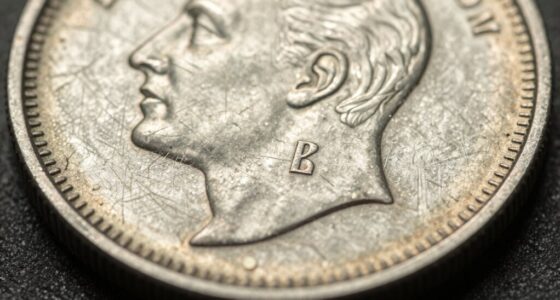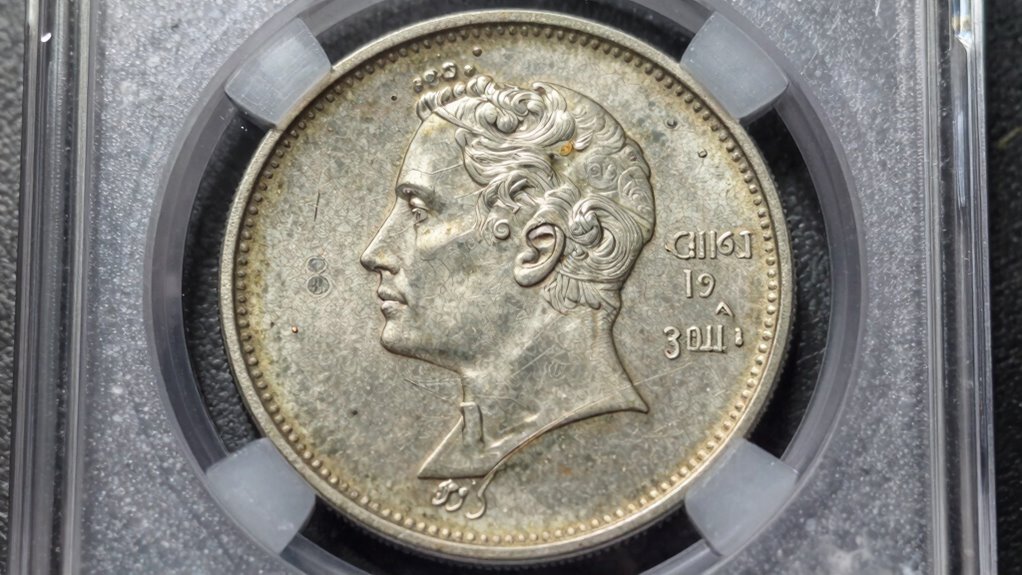

You might damage coin surfaces by using non-archival storage materials like PVC holders or paper albums with acids, which can cause corrosion over time. Tossing coins into jars or stacking them without protection can scratch or dent them. Environmental factors like humidity, dust, and temperature fluctuations accelerate deterioration and surface wear. Proper storage in protective, archival-quality holders helps preserve coins and prevents long-term damage. Keep these mistakes in mind to protect your collection and discover more essential preservation tips.

Get home office essentials delivered free with Prime
- Fast, free delivery on millions of items
- Prime Video, Amazon Music and more included
- Member-only deals all year
Key Takeaways
- Storing coins in non-archival materials like PVC holders or paper albums can cause chemical reactions and surface damage.
- Tossing or stacking coins without protective measures leads to scratches, dents, and surface wear.
- Using coin jars, drawers, or improper containers exposes coins to environmental contaminants and physical harm.
- Failing to control environmental factors like humidity and temperature accelerates corrosion and oxidation.
- Cleaning coins with unsuitable methods can strip surfaces and cause irreversible damage.
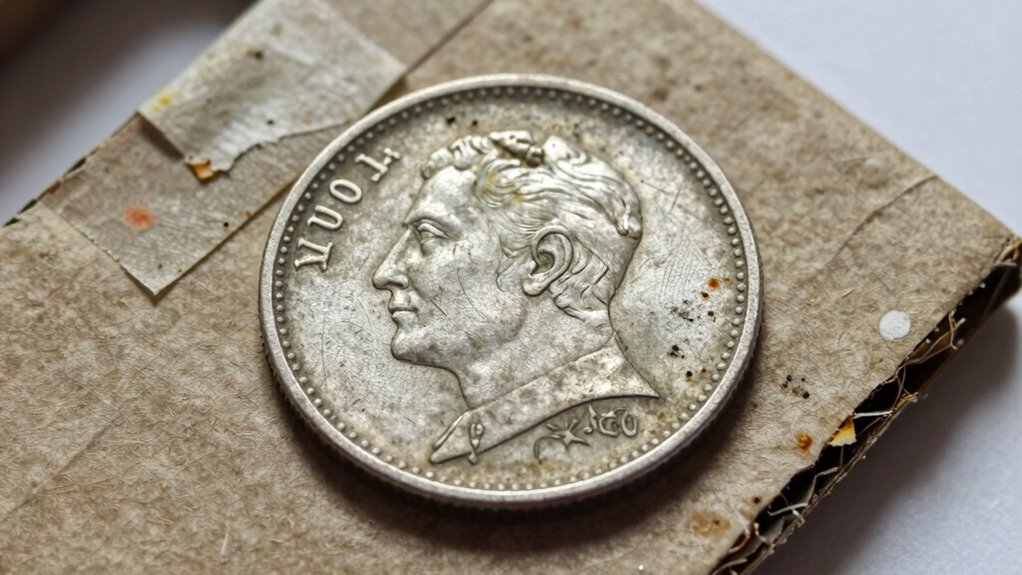
Storage mistakes extend beyond handling and cleaning. You might think that tossing coins into a jar or stacking them in a drawer is harmless, but this can lead to scratches, dents, and surface wear. Coins should be stored in protective holders specifically designed for numismatic items, such as coin flips, capsules, or archival-quality albums. These protectors shield your coins from environmental factors like humidity, dust, and pollutants, which can accelerate deterioration. Avoid storing coins in PVC holders or paper albums that contain acids, as these materials can cause chemical reactions over time, leading to corrosion and surface damage. Additionally, improper storage can expose coins to environmental factors that accelerate oxidation, further damaging their surfaces. Proper storage practices also include maintaining a controlled environment, as fluctuations in temperature and humidity can cause irreversible harm. Using appropriate storage materials is crucial to prevent chemical reactions that can harm your coins over time. Ensuring consistent environmental conditions helps preserve the surface integrity of your coins for years to come.
As an affiliate, we earn on qualifying purchases.
Frequently Asked Questions
How Often Should I Inspect Stored Coins for Damage?
You should inspect your stored coins every few months to catch any signs of damage early. During these checks, avoid harsh cleaning practices and always follow proper handling precautions to prevent surface damage. Use soft gloves or tools, and handle coins gently. Regular inspections help you identify corrosion or scratches, allowing you to address issues promptly and maintain your collection’s condition and value over time.
What Is the Best Environment to Store Valuable Coins?
Think of your coin collection as a delicate garden needing the right climate. You should store valuable coins in a cool, dry environment with consistent temperature and low humidity to prevent corrosion. Avoid coin cleaning, which can damage surfaces. Use airtight containers or coin holders to maintain ideal storage humidity. This careful environment keeps your coins pristine, preserving their value and beauty for years to come.
Can Improper Storage Affect a Coin’s Value?
Yes, improper storage can considerably affect a coin’s value. When you don’t store coins properly, metal corrosion can occur, leading to tarnishing and surface damage. Chemical reactions between the coin’s metal and environmental elements like moisture or pollutants accelerate deterioration. These damages reduce a coin’s appeal and worth, making it essential to store your coins in a controlled environment to preserve their condition and value over time.
Are There Specific Storage Containers to Avoid?
Yes, you should avoid storage containers made from non-reactive materials that aren’t airtight. Non-reactive materials like certain plastics or metals can sometimes cause damage over time, especially if they’re not sealed properly. Airtight containers help prevent exposure to moisture, air, and contaminants, which can tarnish or damage coin surfaces. Opt for high-quality, acid-free holders or capsules designed specifically for coin storage to keep your collection in pristine condition.
How Do Temperature Changes Impact Stored Coins?
Temperature changes can harm your stored coins by causing metal expansion and contraction, which leads to surface damage or cracks. Rapid fluctuations often disrupt humidity control, increasing the risk of corrosion. Additionally, temperature shifts can accelerate chemical exposure inside storage containers, further damaging coin surfaces. To protect your collection, store coins in a stable environment with consistent temperature and humidity, and avoid containers that don’t shield against these fluctuations.
As an affiliate, we earn on qualifying purchases.
Conclusion
By avoiding these common storage pitfalls, you’ll keep your coins shining and their stories intact. Think of your collection as a delicate treasure—gentle handling and proper storage are like a warm hug that preserves their beauty. When you take care to shield them from harm, you’re not just protecting metal; you’re safeguarding history and memories for years to come. So, handle with care, and let your coins continue to tell their tales beautifully.
As an affiliate, we earn on qualifying purchases.
As an affiliate, we earn on qualifying purchases.
Fall Picks
fall essentials
As an affiliate, we earn on qualifying purchases.