

You've probably heard the term "bear market" tossed around, but have you ever wondered why a falling market is linked to bears? It's not just a catchy phrase; it stems from historical observations of how bears attack. This connection reveals deeper truths about market cycles and their impacts. Understanding these dynamics could change your perspective significantly, especially when you consider what a bear market really signifies for the economy.

When you hear the term "bear market," it often signals a challenging environment for investors. Defined by a prolonged decline in investment prices, a bear market typically occurs when prices drop by 20% or more from recent highs. Such a scenario can last anywhere from a few weeks to several years, depending on the economic landscape. Bear markets serve as a natural part of financial cycles for market recalibration, which can ultimately lead to healthier market conditions in the long run.
During these times, you'll likely notice a pervasive sense of pessimism among investors, which is often reflected in reduced trading volumes and negative media narratives. This climate often correlates with economic downturns, high unemployment, and overall market instability.
Several factors can trigger a bear market. Weak or slowing economies, low employment rates, and sluggish productivity are primary culprits that contribute to declining market confidence. Additionally, global events like pandemics, wars, and geopolitical crises can swiftly push markets into a bear phase.
The bursting of market bubbles often leads to significant price declines, while government policies—such as shifts in tax or interest rates—can also impact market conditions. Perhaps the most immediate trigger is a change in investor sentiment; shifts in confidence can quickly turn optimism into fear, accelerating the onset of a bear market.
A bear market typically unfolds in phases. Initially, you might see high prices and investor optimism, but as participation and profits decline, prices begin to fall sharply.
This second phase often leads to decreased trading activity and worsening economic indicators. In the third phase, speculators may enter the market, causing temporary price upticks and increased trading volume. Eventually, the fourth phase arrives, where discerning investors find attractively priced assets, leading to potential recovery.
Despite the challenges posed by a bear market, it's crucial to recognize the opportunities they present. You can employ various strategies to navigate these tough times.
The buy-and-hold strategy allows you to capitalize on low prices by expanding your portfolio. Conversely, short selling offers a way to profit from falling prices. Options and inverse ETFs can help limit potential losses or even profit from market declines.
Diversifying your investments across asset classes can also mitigate risks during a bear market.

As an affiliate, we earn on qualifying purchases.

The Bear Market Playbook: Your Essential Guide to Short ETFs for Hedging and Profit: How to Master Inverse and Leveraged ETFs, Protect Your Portfolio … Massive Returns When the Bulls Run Scared.
As an affiliate, we earn on qualifying purchases.
As an affiliate, we earn on qualifying purchases.

The New Sell and Sell Short: How To Take Profits, Cut Losses, and Benefit From Price Declines (Wiley Trading)
As an affiliate, we earn on qualifying purchases.
As an affiliate, we earn on qualifying purchases.
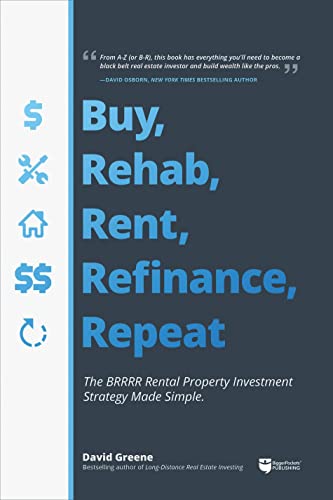
Buy, Rehab, Rent, Refinance, Repeat: The BRRRR Rental Property Investment Strategy Made Simple
As an affiliate, we earn on qualifying purchases.
As an affiliate, we earn on qualifying purchases.