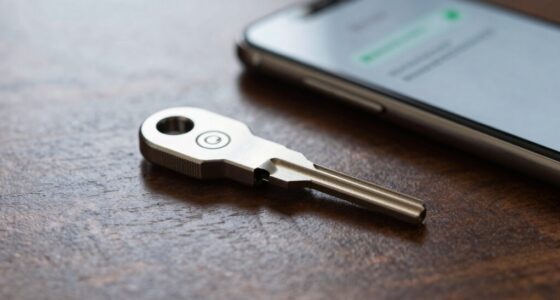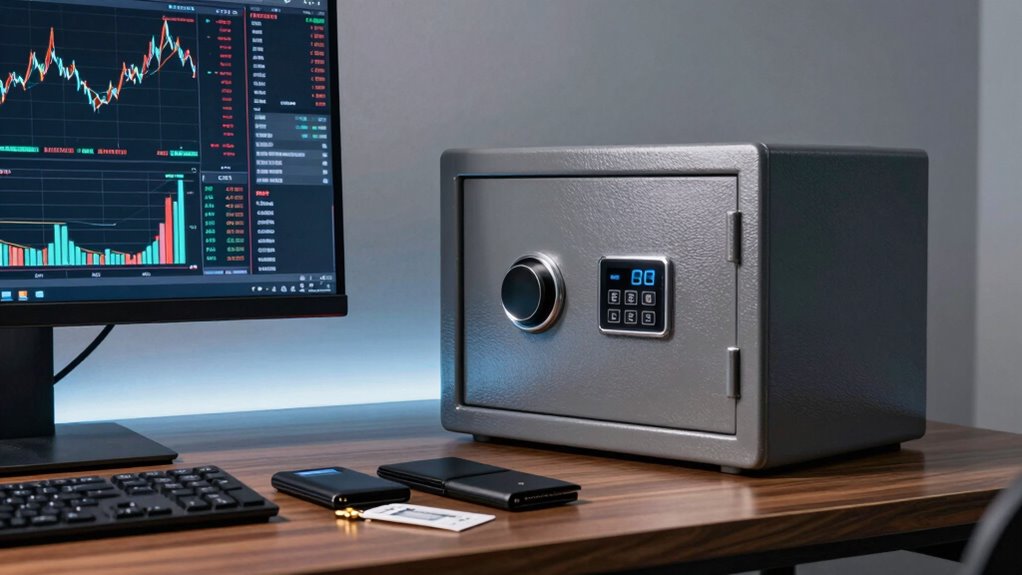

To separate trading convenience from long-term storage safety, use different tools for each purpose. Keep your trading wallets on fast, easy-to-access exchanges or platforms for quick transactions. For long-term storage, rely on hardware wallets that store your private keys offline, providing strong security against online threats. Implement layered security measures like PINs, passphrases, and physical safeguards. If you’re interested in protecting your assets effectively, you’ll find more insights to help balance convenience and security as you explore further.

Get home office essentials delivered free with Prime
- Fast, free delivery on millions of items
- Prime Video, Amazon Music and more included
- Member-only deals all year
Key Takeaways
- Use trading platforms for quick access and execute frequent transactions; transfer assets to secure wallets for long-term storage.
- Store long-term holdings in hardware wallets offline to maximize security and reduce exposure to online threats.
- Maintain separate accounts: one for active trading with quick access and another for secure, offline long-term storage.
- Regularly transfer assets from exchange accounts to hardware wallets to prevent risks associated with online breaches.
- Implement layered security measures, combining offline storage with secure access controls, to enhance long-term asset protection.
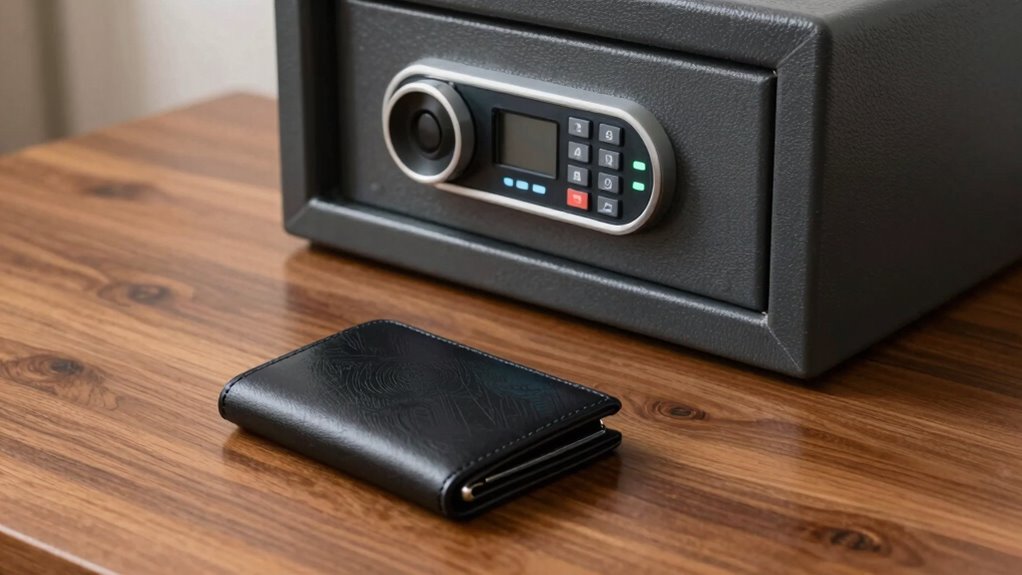
When it comes to managing your digital assets, it’s crucial to distinguish between the tools you use for trading and those meant for long-term storage. Trading platforms, like exchanges, prioritize convenience and quick access, but they often compromise security. These platforms are designed for frequent transactions and market analysis, making them ideal for active trading. However, they are vulnerable to hacks and breaches, especially if you don’t take proper precautions. On the other hand, long-term storage demands a focus on security and control, guaranteeing your assets are protected against theft and loss over time.
One of the key considerations in separating these functions is understanding cryptocurrency regulations. Different jurisdictions have varying rules about where and how you can store your assets, especially in regard to compliance and legal protections. When you keep a large amount of cryptocurrency for the long term, you should be aware of the regulatory landscape to avoid issues like freezing or confiscation. This awareness guides you toward more secure storage options, such as hardware wallets, which are designed to keep your private keys offline and out of reach from online threats. Using regulatory knowledge can help you make informed decisions about your storage strategies.
Hardware wallet security is paramount when it comes to safeguarding your long-term holdings. Unlike software wallets or exchange accounts, hardware wallets store your private keys in a physical device, making them immune to hacking attempts that target online wallets. They are portable, easy to use, and provide a high level of security because your keys never leave the device. When you’re choosing a hardware wallet, look for reputable brands that offer robust security features, such as PIN protection, passphrase options, and tamper-evident packaging. These measures guarantee that even if someone gains physical access to the device, they cannot easily access your funds. Understanding security measures is essential for protecting your assets over time. Additionally, staying informed about industry best practices can further enhance your security approach. Moreover, being aware of the importance of offline storage can significantly reduce the risk of digital threats and ensure your assets remain safe for the long term. Incorporating cloud server solutions with proper security protocols can also provide a layered approach to safeguarding your assets.
hardware wallet for cryptocurrency
As an affiliate, we earn on qualifying purchases.
As an affiliate, we earn on qualifying purchases.
Frequently Asked Questions
What Types of Assets Are Best Suited for Short-Term Trading?
For short-term trading, you’re best suited to assets with high liquidity and active markets, like stocks, ETFs, or cryptocurrencies. These assets allow quick entry and exit, supporting your liquidity management. Diversifying your assets minimizes risks and balances your portfolio, ensuring you’re not overly exposed to one market. Focus on assets that offer frequent trading opportunities and liquidity, helping you capitalize on short-term price movements while maintaining flexibility.
How Do Storage Conditions Affect Asset Security Over Time?
You should know that poor storage conditions increase vulnerability by 30%, making your assets more prone to damage or theft over time. Environmental factors like humidity, temperature fluctuations, and exposure to sunlight can weaken storage security, leading to deterioration or theft. To protect your assets, guarantee stable, climate-controlled environments and secure storage solutions. This proactive approach minimizes storage vulnerabilities, keeping your assets safe and functional long-term.
Can I Combine Trading and Long-Term Storage Strategies?
Yes, you can combine trading and long-term storage strategies by using different digital wallets and custody solutions. Keep your trading assets in readily accessible wallets for quick trades, while storing long-term holdings in secure, offline custody solutions. This approach balances convenience with safety, minimizing risks. By separating your assets this way, you guarantee seamless trading without compromising the security of your long-term investments.
What Are Common Mistakes in Separating Trading From Storage?
Think of mixing trading and storage like blending oil and water—you risk muddying the waters. A common mistake is ignoring custody risks, assuming your assets are safe when they’re not fully protected. Failing to address liquidity concerns can trap you, unable to quickly access funds when needed. Keep these elements separate, and you’ll avoid the pitfalls of overexposure, ensuring your assets stay safe and accessible in both trading and long-term storage.
How Often Should I Review My Storage Security Measures?
You should review your storage security measures regularly, ideally every three to six months. Check that your storage encryption remains robust and up-to-date, ensuring your data stays protected. Evaluate your access controls, confirming only authorized personnel can access sensitive information. Frequent reviews help identify vulnerabilities early, allowing you to implement necessary improvements and maintain a strong security posture, safeguarding your long-term storage safety effectively.
As an affiliate, we earn on qualifying purchases.
Conclusion
Remember, balancing trading convenience with long-term storage safety is like walking a tightrope—focus is key. Keep your active trading assets easily accessible, like a quick-draw gun, while securely storing your long-term holdings in a safe, separate place. This way, you can enjoy the best of both worlds without risking your investments. Stay vigilant, stay smart, and you’ll keep your assets safe and ready for any opportunity that comes your way.
secure cryptocurrency hardware wallet
As an affiliate, we earn on qualifying purchases.
As an affiliate, we earn on qualifying purchases.
best hardware wallets for long-term crypto storage
As an affiliate, we earn on qualifying purchases.
As an affiliate, we earn on qualifying purchases.
Fall Picks
fall essentials
As an affiliate, we earn on qualifying purchases.