To guarantee accurate bullion measurements with digital scales, you must regularly calibrate your device using certified weights and keep it on a stable surface. Avoid common errors like overloading, neglecting to zero the scale, or weighing on uneven surfaces. Environmental factors such as drafts and temperature changes can also impact accuracy. Proper handling and maintenance help prevent mistakes and ensure fair transactions. Keep these tips in mind to improve your weighing practices and discover more essential details ahead.
Key Takeaways
- Regular calibration with certified weights ensures digital scales for bullion maintain precise accuracy.
- Always zero the scale before weighing to prevent measurement errors and ensure reliable results.
- Use scales on flat, stable surfaces away from drafts, vibrations, or temperature fluctuations for optimal accuracy.
- Avoid overloading scales beyond their maximum capacity to protect sensors and prevent inaccurate readings.
- Proper handling and maintenance of scales extend their lifespan and help prevent common measurement errors.

When it comes to handling bullion, accuracy is essential, and digital scales provide a precise and reliable way to measure your precious metals. Whether you’re a collector, investor, or dealer, getting the exact weight is crucial for pricing strategies and ensuring fair transactions. Digital scales help you determine the precise amount of bullion you possess, which directly impacts the value based on current market prices. Accurate measurements are especially important when dealing with legal considerations, such as verifying ownership, fulfilling regulatory requirements, or preparing for audits. Using a high-quality digital scale ensures you meet these standards and avoid potential disputes or legal issues.
Accurate digital scales are essential for fair, legal bullion transactions and precise valuation.
To maximize the benefits of your digital scale, proper calibration is key. Regular calibration checks guarantee that your readings stay accurate over time. Many scales come with calibration weights, and if yours doesn’t, you should periodically verify the scale’s accuracy against certified weights. Miscalibration can lead to mispricing, either undervaluing or overvaluing your bullion, which could have financial consequences or violate legal regulations. Keep your scale on a flat, stable surface and avoid placing it in areas with drafts, vibrations, or extreme temperatures, as these factors can cause inaccuracies. Proper calibration and placement help you maintain consistent and trustworthy measurements, which are vital when adjusting your pricing strategies or complying with legal standards. Additionally, understanding the importance of proper scale maintenance can help prolong the accuracy and lifespan of your equipment.
Common errors made when using digital scales often stem from neglecting basic maintenance or environmental factors. For instance, not zeroing the scale before weighing can result in skewed data, so always reset it to zero after placing your container or before weighing your bullion. Overloading the scale beyond its maximum capacity can damage sensors, leading to erroneous readings. Additionally, using the scale on uneven or soft surfaces can cause instability and inaccurate measurements. Always handle your scale with clean hands and avoid touching the weighing platform with your fingers, as oils or debris can interfere with accuracy.
In the context of legal considerations, accurate measurement isn’t just about fairness—it’s a requirement. Many jurisdictions require precise weight documentation for tax, import/export, or authentication purposes. Having reliable digital scales helps you stay compliant and transparent, especially if you’re selling or transferring bullion. When setting prices, understanding the exact weight enables you to apply current market prices correctly, ensuring your pricing strategies are competitive and fair. Overall, investing in a quality digital scale, maintaining it properly, and understanding common errors are vital steps toward transparent, legal, and profitable bullion handling.
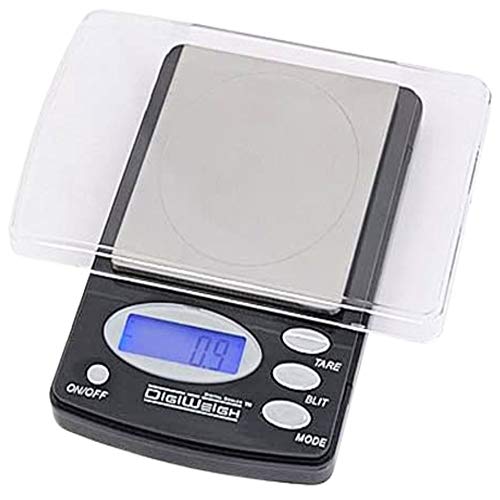
New Personal Coin Scale Pro – Use Troy Oz, Grams, Ounces, Pennyweights + to weigh Gold, Silver, Platinum Coins Bullion Bars Ingots & More
Genuine DigiWeigh 1000BX Deluxe Coin Scale with Lifetime Warranty
As an affiliate, we earn on qualifying purchases.
As an affiliate, we earn on qualifying purchases.
Frequently Asked Questions
How Do Environmental Factors Affect Digital Scale Accuracy?
Environmental factors like humidity interference and temperature fluctuations can substantially impact your digital scale’s accuracy. High humidity may cause moisture buildup, leading to inconsistent readings, while temperature changes can affect the scale’s internal components, causing calibration drift. To guarantee precise measurements, keep your scale in a stable, dry environment, and avoid sudden temperature shifts. Regularly calibrate your scale to counteract these environmental influences.
What Are the Best Practices for Long-Term Scale Calibration?
To guarantee long-term accuracy, you should regularly perform scale calibration using certified weights, ideally monthly or after significant environmental changes. Keep your scale in a stable environment, free from vibrations and temperature fluctuations, and clean it regularly to prevent debris buildup. Always follow the manufacturer’s calibration instructions, and consider professional calibration services periodically to maintain precise scale calibration for consistent, long-term accuracy.
Can Digital Scales Measure Irregularly Shaped Bullion Accurately?
Yes, digital scales can measure irregularly shaped bullion accurately if they’re designed with the right features. Look for scales that support irregular shape measurement and have a high precision load cell. Scale design considerations, like a large, flat weighing platform and sensitivity to small weight changes, help guarantee accurate readings. Always calibrate your scale properly and use proper weighing techniques to get the best results for irregularly shaped bullion.
How Often Should I Replace the Batteries in My Scale?
Think of your scale’s batteries like the fuel in your car—if you neglect them, performance drops. You should replace batteries every 6 to 12 months, depending on usage. Regular battery maintenance ensures consistent power source considerations, preventing inaccurate readings. Keep an eye on low battery indicators, and swap them out promptly to avoid surprises. Proper care maintains your scale’s precision, much like a well-maintained engine keeps a car running smoothly.
Are There Specific Digital Scales Recommended for High-Value Bullion?
For high-value bullion, you should choose a digital scale with high precision requirements, ideally one that measures to at least 0.01 grams. Look for scales with excellent durability, designed to withstand frequent use and calibration. Brands like Ohaus, A&D, or Sartorius are recommended, as they offer reliable, professional-grade scales that maintain accuracy over time. verify the scale is calibrated regularly to preserve precision.

7 PCS Calibration Weights, Scale Weight Set 1g 2g 5g 10g 20g 50g 100g, Carbon Steel Small Weight for Digital Scale, Gram Scale Balance, Jewelry Scale (Silver)
WEIGH SCALES CALIBRATION: 7 PCS of calibration weights include 1g, 2g, 5g, 10g, 20g, 50g, 100g, a total…
As an affiliate, we earn on qualifying purchases.
As an affiliate, we earn on qualifying purchases.
Conclusion
So, now that you’ve mastered the art of digital scales for bullion, go ahead—trust them blindly, because who needs calibration or accuracy, really? Just toss your gold on and pray. After all, a tiny error won’t matter when you’re swimming in riches, right? Remember, precision is overrated—what’s a few grams here or there when you’re practically a millionaire? Happy weighing, and may your errors be as small as your patience!

Weigh Gram 200g Digital Pocket Gram Scale 0.01g Accuracy, 200g x 0.01g Mini Digital Grams Scale, Small Food Scale, Jewelry Scale, Ounces Grains Scale With100g Calibration Weight
The Pocket Gram Scale Size is 5.2 x 2.99 x 0.79 inch, Gram Scale allows you to weigh…
As an affiliate, we earn on qualifying purchases.
As an affiliate, we earn on qualifying purchases.
New Personal Coin Scale Pro – Use Troy Oz, Grams, Ounces, Pennyweights + to weigh Gold, Silver, Platinum Coins Bullion Bars Ingots & More
Genuine DigiWeigh 1000BX Deluxe Coin Scale with Lifetime Warranty
As an affiliate, we earn on qualifying purchases.
As an affiliate, we earn on qualifying purchases.