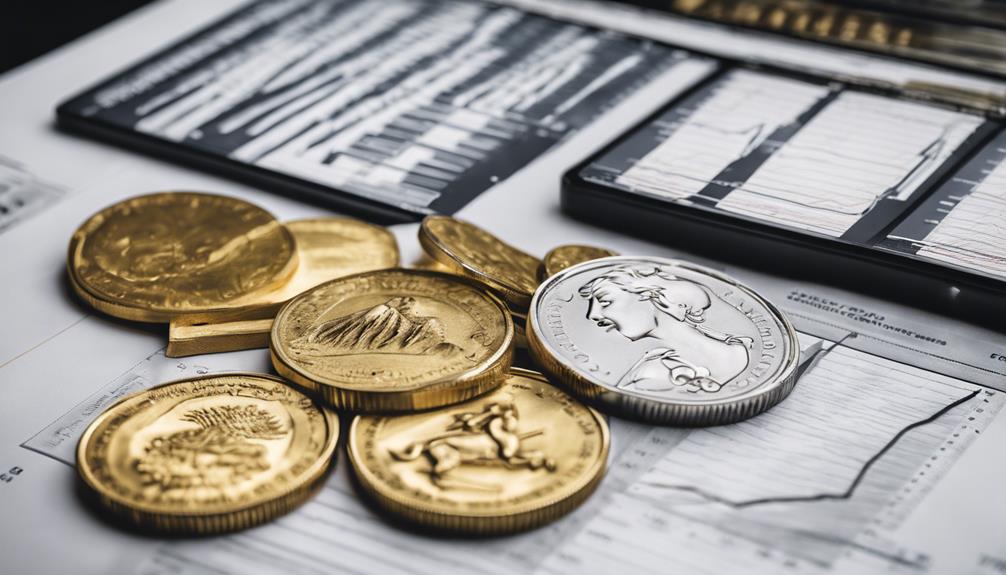
To avoid common gold IRA scams, always verify dealer credibility and make sure they are licensed with reputable industry groups. Watch out for excessive markups, hidden fees, and offers that seem too good to be true. Be cautious of high-pressure sales tactics, fake storage schemes, and promises of guaranteed returns. Confirm all gold products are authentic, stored at IRS-approved vaults, and avoid schemes promoting home storage or fake certificates. Keep these tips in mind to protect your assets from fraud—more insights await if you continue.
Key Takeaways
- Verify that gold is stored in IRS-approved, third-party depositories; avoid home storage claims to prevent legal issues.
- Be cautious of high-pressure sales tactics and guarantees of guaranteed returns, which are common scam indicators.
- Confirm dealer credentials, licensing, and industry memberships to ensure credibility and avoid counterfeit or untrustworthy sellers.
- Watch out for vague or overly complex fee structures and excessive markups above standard bullion prices.
- Avoid deals that seem too good to be true or promote fake storage schemes; always conduct thorough due diligence.
Recognizing Excessive Markups and Pricing Schemes
Recognizing excessive markups and pricing schemes is essential when evaluating gold IRA deals. Many companies inflate coin prices by 40% to 200%, especially on collectibles or rare coins. Some dealers advertise premiums as low as 1-5% but charge actual markups of 130% or more, as seen in cases like Red Rock Secured, which caused investor losses of $50 million. While standard bullion coins like American Eagles usually have modest markups around 5-10%, numismatic coins often carry high premiums and poor liquidity. Hidden fees and confusing pricing structures are common, so you must compare dealer prices carefully. Being forthright about fees and insisting on IRS-approved coins helps reduce the risk of overpaying and ensures you’re making a more informed investment. Understanding coin costs and expenses can help investors better evaluate the true value of their gold purchases.
Spotting Fake or Non-Delivered Bullion and Coins
Spotting fake or non-delivered bullion and coins is essential to protecting your investment. Be cautious of dealers offering prices that seem “too good to be true,” as these often indicate counterfeit or unavailable products. Always verify a dealer’s legitimacy through reviews and industry reputation before making any payment. Watch for delivery delays or upfront payment demands without proof of shipment; these are red flags for scams like Ponzi schemes or bait-and-switch tactics. Physically examine gold coins and bars for authenticity—look for proper markings, weight, and color. Request certification and detailed documentation from reputable sources. Use independent experts to authenticate your purchases and avoid trusting dealers who refuse transparent verification or fail to provide adequate proof of product quality. Additionally, understanding the ethical hacking techniques used to identify security flaws can help you recognize potential scams and protect your assets from cyber threats.
Identifying High-Pressure Sales Tactics
High-pressure sales tactics are a common red flag when dealing with gold IRA dealers. If a salesperson pushes you to make an immediate decision, it’s a sign to pause and evaluate. Be wary of limited-time offers or exclusive deals designed to rush your choice. Watch out for salespeople who focus on upselling premium coins or large investments despite your reservations, aiming to maximize their commissions. Cold calls or social media pitches that use fake endorsements to create trust are also suspicious. Lastly, avoid tactics that discourage you from comparing multiple dealer quotes or asking questions. Stay cautious and ask for written information, take your time to research, and never feel pressured into a quick decision. Trust your instincts and prioritize thorough due diligence before committing. Additionally, understanding the potential pitfalls in adopting new payment technologies can help you make more informed financial decisions when evaluating investment options.
Understanding IRS Rules for Gold Storage
Understanding IRS rules for gold storage is essential to protecting your IRA investments from scams and penalties. The IRS strictly requires that gold held in an IRA be stored in an approved, third-party depository, not at your home. If you keep your gold at home, the IRS considers this a distribution, triggering taxes and penalties. Only IRS-approved custodians can hold your gold, and they must maintain accurate, secure records of your holdings. Be wary of claims promoting “self-storage” or other unauthorized storage methods—they’re illegal and can jeopardize your tax benefits. Always verify that your storage provider is IRS-compliant and transparent about their practices. Staying informed about IRS rules helps you avoid costly mistakes and ensures your gold IRA remains fully compliant and protected. Additionally, understanding gold storage regulations can help you navigate the complexities of compliance and safeguard your assets effectively.
Detecting Ponzi and Fraudulent Investment Schemes
How can you tell if a gold investment opportunity is actually a Ponzi scheme or fraud? Look for warning signs that indicate deception or instability. First, be cautious if returns seem too good to be true or are guaranteed, as genuine investments carry risks. Second, examine the company’s credibility—verify their licensing and registration with authorities. Third, scrutinize their claims about gold backing or storage; false or vague explanations are red flags. Finally, watch for these common indicators:
- Promises of high, consistent returns with little risk
- Lack of transparent fee structures or confusing disclosures
- Pressure to invest immediately or avoid due diligence
- Unverified or fake credentials and suspicious custodians
Staying alert to these signs helps you avoid falling victim to Ponzi or scam schemes disguised as legitimate gold investments. Additionally, understanding essential oils for financial stress can help maintain clarity and calm during investment decisions.
Verifying Authenticity and Accurate Documentation
When evaluating a gold investment, verifying the authenticity of coins and documents is essential to avoid falling for scams. You should always request independent verification of coin purity and authenticity from reputable appraisers or labs. Check dealer credentials thoroughly to confirm their legitimacy and compliance with industry standards. Be cautious of counterfeit or fake gold bars and coins—inspect markings, weight, and serial numbers carefully. Ensure all documentation, including certificates of authenticity and purchase receipts, are genuine and match the physical metal. Avoid relying solely on dealer-provided paperwork; cross-verify details through independent sources. Remember, IRS-approved coins for IRAs must meet strict standards, so educate yourself on what qualifies. Doing due diligence helps prevent overpaying and guarantees your gold holdings are real, legitimate, and properly documented. Additionally, understanding the Bitcoin IRA market can help you identify legitimate opportunities and avoid scams in alternative assets.
Avoiding Hidden Fees and Overpayment Traps
Hidden fees and inflated prices can critically erode your investment’s value, so it is crucial to scrutinize all costs before making a purchase. Always compare dealer prices and ask for detailed fee disclosures. Watch out for common traps, such as:
- Excessive markups on collectible or rare coins, sometimes exceeding 200%
- Hidden charges that inflate the total purchase price
- Premiums on numismatic coins with poor liquidity
- Lack of transparency on fees, making it difficult to evaluate true costs
Request written estimates and verify whether fees include shipping, insurance, or commissions. Be cautious of dealers who refuse to provide clear pricing or push high-premium coins. By thoroughly reviewing costs, you prevent overpayment and protect your IRA’s long-term value. Regularly reviewing fee transparency can help you stay informed about potential hidden costs.
Recognizing Illegal Storage Claims and Home Storage Scams
Many scam artists promote the idea that you can store your IRA gold at home, but in reality, this is illegal and can lead to serious penalties. The IRS explicitly requires IRA-held gold to be stored in approved custodial depositories. Claiming you can keep your gold at home or in a personal LLC is a red flag—these schemes violate federal regulations and can result in hefty taxes and penalties. Fraudsters may push fake storage options, promising “self-directed” or “secure” home storage solutions, but these are often scams designed to steal your assets or sell counterfeit gold. Always verify that your IRA provider uses IRS-approved vaults and maintains proper documentation. Understanding signs of spoilage and avoiding offers that seem too good to be true can help protect you from scams. Protect yourself by understanding IRS rules and avoiding offers that seem too good to be true.
Protecting Yourself From Counterfeit Gold Products
Counterfeit gold products pose a serious threat to investors, especially as scams become more sophisticated. To protect yourself, always verify the authenticity of your gold before purchasing. Look for reputable dealers with transparent histories and clear documentation. Guarantee the gold has proper assay certificates and matches recognized standards. Be cautious of deals that seem too good to be true, and avoid buying from unknown or unverified sources. Here are key steps to safeguard your investment:
- Confirm dealer credentials and reviews
- Request independent authentication or third-party appraisals
- Check for IRS-approved coins with proper markings
- Avoid deals with excessive markups or vague fee structures
- Understand the paint sprayer reviews and buying guides to ensure you’re familiar with the tools and their legitimacy, which can help you recognize credible sources of precious metals.
Staying vigilant and performing due diligence substantially reduces the risk of falling victim to counterfeit gold scams.
Evaluating Dealer Credibility and Reputation
To avoid falling for scams, you need to verify that your dealer is licensed and accredited by reputable industry organizations. Check their track record and customer reviews to assess their honesty and reliability. Being thorough with these steps helps guarantee you work with a credible dealer who prioritizes transparency. Additionally, reviewing their affiliate disclosures can provide insight into their financial relationships and overall trustworthiness.
Verify Licensing and Accreditation
Verifying a dealer’s licensing and accreditation is essential to protecting your investment from scams. It ensures you’re dealing with a legitimate, reputable company committed to ethical practices. To evaluate credibility, check for:
- Proper licensing from state or federal financial regulators
- Membership in recognized industry associations like the BBB or NGC
- Valid credentials from organizations such as the Professional Coin Grading Service (PCGS)
- Positive reviews and verifiable track records from independent sources
These credentials signal transparency and accountability, reducing the risk of fraud. Always ask for proof of licensing and accreditation before making any commitments. Dealers lacking proper credentials or refusing to provide verification are red flags. Doing your due diligence helps you avoid falling victim to dishonest operators.
Assess Transparency and Track Record
Evaluating a dealer’s transparency and track record helps you determine if they’re trustworthy and reliable. Look for clear, upfront communication about fees, pricing, and policies. Research their history, customer reviews, and any industry complaints. A reputable dealer will provide verifiable credentials and transparent documentation. To assess credibility, compare their offerings with others and verify their licensing with regulatory bodies.
| Aspect | What to Check | Why It Matters |
|---|---|---|
| Customer Feedback | Online reviews and testimonials | Reveals dealer reputation and service quality |
| Industry Credentials | Accreditation from recognized associations | Ensures legitimacy and standards compliance |
| Transparency in Fees | Clear breakdown of costs and premiums | Prevents hidden charges and overpaying |
Frequently Asked Questions
How Can I Verify a Gold Dealer’s Legitimacy Before Investing?
To verify a gold dealer’s legitimacy, start by checking their licensing and registration with industry regulators like the BBB or the NFA. Research customer reviews and complaints, and ask for references. Confirm their physical address and contact details. Verify their accreditation with trusted organizations, and request detailed, transparent fee disclosures. Finally, examine their reputation by consulting independent appraisal services and ensuring they sell IRS-approved coins with authentic documentation.
What Are the Signs of a Ponzi Scheme Involving Gold IRAS?
You’ll notice a Ponzi scheme if the gold IRA promises guaranteed, high returns like 30-45% with little risk. Watch for red flags like pressure to invest quickly, vague or fake documentation, and claims that your investment is backed by real gold when it’s not. If the company uses fake custodians or offers returns paid with new investors’ money, it’s a scam. Always verify credentials and stay cautious.
How Do I Identify Counterfeit Gold Coins and Bars?
You can identify counterfeit gold coins and bars by inspecting their weight, size, and appearance carefully. Use a reliable magnet test—real gold isn’t magnetic—and compare the coin’s design to official images. Verify the coin’s documentation and ask for independent authentication from reputable appraisers. Be cautious of overly low prices or suspicious dealer claims, and always buy from trusted, well-established dealers to guarantee authenticity and avoid fake gold.
Are There Legal Ways to Store IRA Gold at Home?
You can’t legally store IRA gold at home. The IRS mandates that gold in an IRA must be held in an approved, third-party depository to maintain tax advantages and compliance. Attempting to store it at home breaches IRS rules, risking penalties and taxes. Always work with a reputable custodian and authorized storage facility to ensure your IRA investments remain compliant and protected.
What Hidden Fees Should I Watch Out for in Gold IRA Transactions?
You need to watch out for hidden fees that can secretly drain your investment. These include excessive markups on coins, mysterious handling or setup charges, storage fees, and ongoing maintenance costs that aren’t clearly disclosed. Some dealers bury these costs in fine print, making it easy to overlook them until it’s too late. Always ask for a detailed fee breakdown upfront, compare multiple quotes, and guarantee transparency before committing your hard-earned money.
Conclusion
Did you know that nearly 20% of gold scams involve fake or non-delivered bullion? By staying vigilant about pricing, verifying dealer credibility, and understanding IRS rules, you can defend your investment. Avoid high-pressure tactics and hidden fees to guarantee your gold IRA remains secure. Remember, informed investors are less likely to fall victim to scams. Stay cautious, do your research, and safeguard your financial future with confidence.