
A hardware wallet keeps your private keys offline, making it much safer from hacking, phishing, and malware. In contrast, a phone wallet stores keys on your internet-connected device, which is more vulnerable to online threats. This security gap means your crypto stored on a phone is riskier if not carefully protected. If you’d like to understand how to close this gap and protect your assets better, there’s more to discover below.
Key Takeaways
- Hardware wallets store private keys offline, greatly reducing hacking risks, unlike phone wallets which are online and more vulnerable.
- Phone wallets are more convenient but expose private keys to online threats like malware, phishing, and scams.
- Hardware wallets offer high security suited for long-term storage, while phone wallets prioritize quick access for daily transactions.
- The security gap exists because phone wallets keep private keys on internet-connected devices, increasing the chance of compromise.
- Using trusted cloud solutions and best practices can help bridge the security gap, but hardware wallets inherently provide stronger protection.
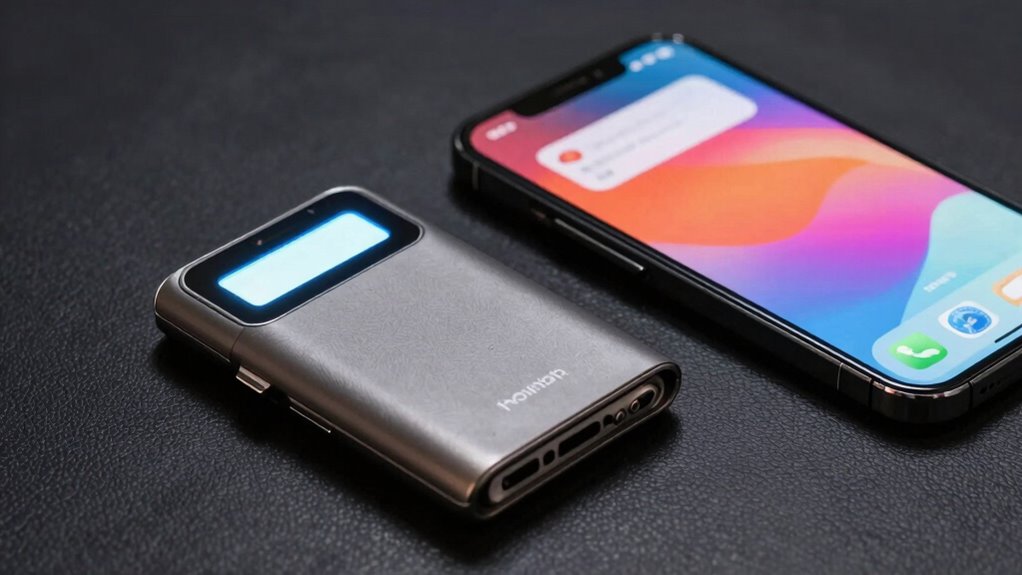
When it comes to securing your cryptocurrency, choosing the right wallet is vital. Your decision impacts not just how safe your funds are, but also how easily you can access and manage them. Two popular options are hardware wallets and phone wallets, each offering different advantages in cryptocurrency storage and user convenience. Understanding their differences helps you make an informed choice that aligns with your security needs and daily habits.
A hardware wallet is a physical device designed specifically for storing your private keys offline. Because it’s disconnected from the internet, it dramatically reduces the risk of hacking, malware, or phishing attacks. When you want to send or receive crypto, you connect the hardware wallet to your computer or mobile device, but the private keys stay protected inside the device. This makes hardware wallets an excellent choice for long-term storage or holding large amounts of cryptocurrency. They provide a high level of security, but that security comes with a slight trade-off in user convenience. Using a hardware wallet requires some setup, and transactions involve multiple steps, which might feel cumbersome if you’re used to instant transactions. However, for users prioritizing security over quick access, hardware wallets are a reliable safeguard.
Hardware wallets store private keys offline, offering top security but requiring more setup and multi-step transactions.
On the other hand, phone wallets—also known as mobile wallets—are apps installed directly on your smartphone. They offer superior user convenience because they’re always with you, allowing quick transactions at a moment’s notice. Phone wallets are ideal for daily use, quick payments, or small holdings. They connect to the internet, which makes them easier to set up and manage but also introduces more vulnerability. Since your private keys are stored on the device and often interact with online servers, phone wallets are more exposed to hacking attempts, malware, and phishing scams. Their convenience is undeniable—they let you manage your crypto on the go without extra hardware or complicated procedures. Still, this ease of access means you need to be extra cautious about securing your device and using trusted apps.
Furthermore, the security gap between these two types of wallets highlights the importance of utilizing European cloud solutions for added protection. Ultimately, the choice boils down to how you value security versus user convenience. If your priority is keeping large amounts of cryptocurrency safe for the long term, a hardware wallet offers peace of mind. But if you prefer quick, everyday transactions and don’t mind taking extra precautions, a phone wallet might suit your needs better. Both options have their place, but understanding their security gap is vital. Hardware wallets minimize online risks by keeping private keys offline, while phone wallets, despite their ease of use, inherently carry a higher risk of compromise. Knowing this, you can choose the right wallet that balances your security needs with your daily convenience.

TANGEM Wallet Pack of 2 – Secure Crypto Wallet – Trusted Cold Storage for Bitcoin, Ethereum, NFT's & More Coins – 100% Offline Hardware Wallet
THE HIGHEST LEVEL OF SECURITY: Tangem Wallet generates the private key that never leaves the card. Your crypto…
As an affiliate, we earn on qualifying purchases.
As an affiliate, we earn on qualifying purchases.
Frequently Asked Questions
Can Hardware Wallets Be Hacked Remotely?
Hardware wallets are generally safe from remote hacking because they store your private keys offline. However, no device is completely invulnerable; security vulnerabilities can sometimes be exploited through sophisticated attacks or malware on your connected computer. While remote hacking is unlikely, always keep your firmware updated and use secure connections. This way, you minimize risks and protect your assets from potential security vulnerabilities.
How Often Should I Update My Phone Wallet App?
Picture your phone as a busy city street, constantly changing. You should update your phone wallet app as soon as updates are available—ideally every few weeks—so you stay protected. These software updates fix security flaws and improve features. Also, review app permissions regularly, ensuring no app has more access than it needs. Staying current and cautious keeps your digital wallet safe from potential threats.
Are Hardware Wallets Compatible With All Cryptocurrencies?
Not all hardware wallets support every cryptocurrency, so you need to check their device support and cryptocurrency compatibility first. Many popular hardware wallets, like Ledger and Trezor, support a wide range of coins, but some specialized or newer cryptocurrencies might not be compatible. Make sure to verify the specific device’s supported coins before purchasing, ensuring it aligns with your crypto portfolio and gives you peace of mind.
What Happens if My Hardware Wallet Is Lost or Stolen?
If your hardware wallet is lost or stolen, don’t panic. Over 20% of users recover their funds through wallet recovery options like seed phrases. Keep your recovery seed secure, as it’s essential for theft prevention. Without it, regaining access becomes nearly impossible. To protect yourself, store your seed phrase offline and in a safe place, ensuring your assets stay secure even if your hardware wallet goes missing.
Do Hardware Wallets Require Internet Access to Function?
Hardware wallets don’t require internet access to function, offering offline security for your crypto assets. You connect them to a device only when you need to make transactions, which enhances user convenience without sacrificing security. This offline approach minimizes hacking risks, giving you peace of mind. So, you can securely store your cryptocurrencies, knowing that your wallet remains protected even when you’re offline, making it an ideal choice for secure, user-friendly storage.
mobile cryptocurrency wallet app
As an affiliate, we earn on qualifying purchases.
As an affiliate, we earn on qualifying purchases.
Conclusion
In the end, while hardware wallets seem more secure because they keep your keys offline, some experts argue that if you’re careful, phone wallets can be just as safe, especially with strong protections. The theory is that the convenience of phone wallets might lead to risky habits, but tech advancements blur the lines. Ultimately, your choice depends on balancing convenience and security, knowing no method is foolproof—it’s about understanding the trade-offs and staying vigilant.
offline Bitcoin wallet device
As an affiliate, we earn on qualifying purchases.
As an affiliate, we earn on qualifying purchases.
secure crypto storage hardware
As an affiliate, we earn on qualifying purchases.
As an affiliate, we earn on qualifying purchases.