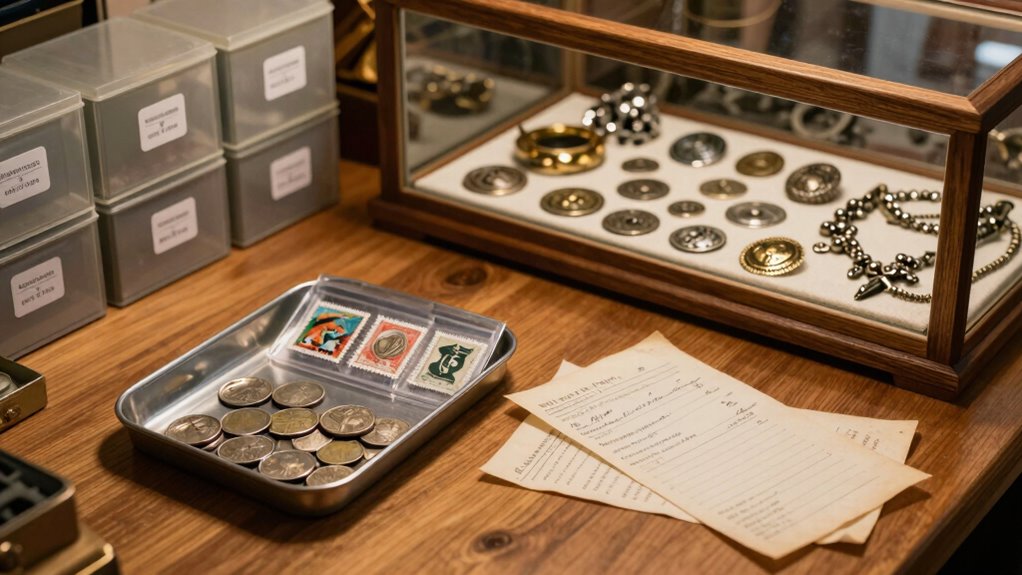

To build a simple inventory for your metals and collectibles, start by taking high-quality photos from multiple angles in natural light on a neutral background. Keep digital or physical receipts, appraisals, and certificates organized alongside each item, noting details like descriptions, values, and purchase dates. Record everything clearly in a spreadsheet or list for easy access. This organized system helps protect your assets and supports verification or resale—discover how to make it even more effective as you continue.
Key Takeaways
- Take high-quality, well-lit photos from multiple angles, highlighting markings and signatures for each item.
- Organize and store all receipts, appraisals, and certificates digitally or physically with clear labels.
- Create a detailed inventory list including descriptions, estimated values, purchase dates, and locations.
- Cross-reference photos and documents with your inventory to ensure accuracy and easy verification.
- Regularly update records to track item condition and adjust valuations, supporting resale and insurance needs.

Managing your inventory for metals and collectibles is essential to maintaining an organized and profitable business. When you keep track of what you own, you can accurately assess the value of your assets, ensure proper collectible preservation, and streamline your sales process. One of the most effective ways to do this is by building a simple inventory system that includes photos, receipts, and proof of authenticity. This approach not only helps with metals valuation but also safeguards your collectibles from potential disputes or losses.
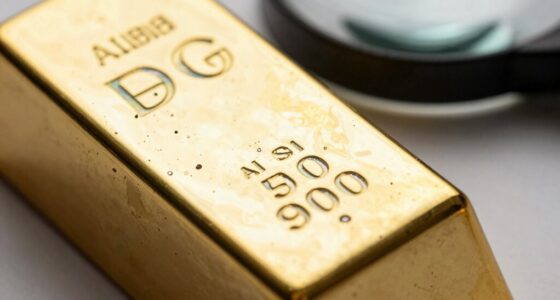
Start by taking clear, high-quality photos of each item. Use natural light and a neutral background to capture all angles, highlighting details that might influence their value. These images serve as visual proof of the item’s condition and appearance at the time of inventory, making it easier to verify authenticity later. When you photograph your metals, focus on markings, stamps, or unique features that are essential for accurate valuation. For collectibles, capture distinctive characteristics or signatures that confirm their origin and authenticity. Consistent, organized photos help you quickly identify items and provide evidence for insurance claims or resale purposes.
Photograph items clearly from all angles to verify authenticity and support accurate valuation.
Next, gather all receipts, appraisals, or certificates of authenticity related to each item. Keep these documents organized and easily accessible, either physically or digitally. Receipts prove purchase history and can assist in metals valuation by providing cost basis information, especially if you plan to sell or auction your items. Appraisals and certificates add credibility to your collection, ensuring that you’re maintaining collectible preservation and that your items are appropriately valued. Incorporate these documents into your inventory records to create a detailed profile of each piece.
Additionally, maintaining detailed records can help you track the condition of your metals and collectibles over time, which is crucial for appraisal updates and resale negotiations.
Finally, record key details about each item in a simple inventory list or spreadsheet. Include descriptions, estimated value, date of acquisition, and location. Cross-reference this information with your photos and receipts to create a complete record. Maintaining this detailed log makes it easier to track the condition of your metals and collectibles over time and plan for appraisals or sales. It also helps you stay organized, preventing valuable items from getting lost or overlooked.
Frequently Asked Questions
How Often Should I Update My Inventory Records?
You should update your inventory records regularly, ideally on a weekly or monthly basis, to guarantee accuracy. Establish a consistent record updating schedule that fits your collection’s activity level, especially after acquisitions or sales. This inventory frequency helps you track your metals and collectibles effectively, prevent discrepancies, and maintain organized records. Staying disciplined with your updates will save you time and stress when managing your collection or preparing for taxes.
What Is the Best Way to Organize Digital Photos?
You should organize your digital photos by creating clear folders for each category, like metals or collectibles, and using descriptive names. Implement a consistent photo organization system to make retrieval easy. Don’t forget to make digital backups regularly to protect your images. Use cloud storage or external drives for backups, ensuring your photos are safe from loss. This way, your photo organization stays organized and secure.
How Do I Verify the Authenticity of Collectibles?
To verify the authenticity of collectibles, start with a thorough collectible appraisal from a reputable expert. Look for authenticity verification methods like examining unique markings, serial numbers, and provenance documents. Research the item’s history and compare it with trusted sources. Trust your instincts and seek multiple opinions if needed. This approach helps guarantee your collectibles are genuine and valuable, giving you confidence in your inventory and future resale.
What Are Common Mistakes to Avoid in Inventory Management?
You should avoid common mistakes like mislabeling items, which affects labeling accuracy, and neglecting proper storage conditions. Always double-check labels for accuracy and keep detailed descriptions. Store metals and collectibles in a stable environment, away from humidity, extreme temperatures, and sunlight. Regularly update your inventory to reflect changes, and don’t overlook the importance of organized storage. These steps help maintain item authenticity, value, and easy retrieval.
How Should I Handle Missing Receipts or Proof of Purchase?
When you can’t find a receipt or proof of purchase, don’t panic. Instead, create digital backups by scanning any available receipts or related documents. Contact the seller or retailer for duplicates, and note the missing proof in your inventory. Keeping detailed records and digital copies helps you stay organized and prepared, even if physical receipts go missing. This proactive approach guarantees your metal and collectible assets remain well-documented and secure.
Conclusion
By keeping a simple inventory of your metals and collectibles with photos, receipts, and proof, you safeguard your investments and simplify resale or insurance claims. Imagine finding your grandmother’s silver spoon collection after years—having detailed records makes it easier to verify authenticity and value. Don’t wait until it’s too late; start today! A well-organized inventory ensures you’re prepared, confident, and ready to showcase or safeguard your treasures whenever needed.