In the first hour of a power outage, stay calm and secure your home by turning on battery-powered lights and keeping emergency supplies nearby. Check that you have enough backup batteries, medications, and your emergency contact list accessible. Verify walkways are clear for quick exits, and confirm medical devices are functioning. If you need to make a plan for ongoing safety, there’s more guidance to help you stay prepared and confident throughout the situation.
Key Takeaways
- Quickly verify that all emergency supplies, including flashlights and medications, are accessible and functional.
- Check home entrances and exits to ensure clear pathways for safe evacuation if needed.
- Confirm the operation of essential medical devices and keep backup batteries ready.
- Stay calm, assess potential hazards, and avoid unnecessary panic or movement.
- Regularly review and follow your emergency plan to stay prepared and informed during the first hour.

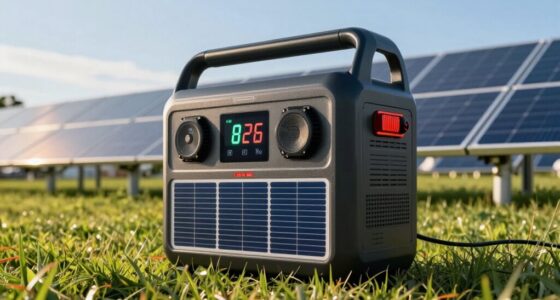
Power outages can happen unexpectedly, and seniors often face unique challenges during these times. When the power goes out, quick action is essential to ensure your safety and well-being. Your first priority should be establishing emergency communication and maintaining home safety. Make sure your cell phone is fully charged before the outage occurs, and keep a portable charger nearby so you can stay connected. If you rely on medical devices that need electricity, have backup batteries or a generator ready, and know how to use them safely.
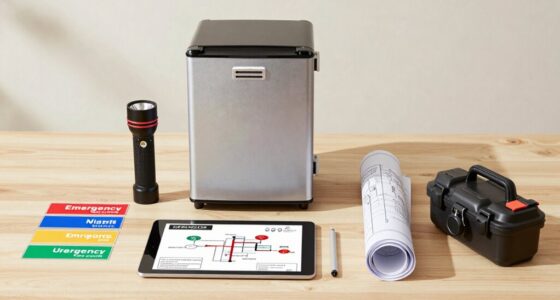
Once the power drops, check on your home’s safety. If you notice any hazards like exposed wires or leaks, address them carefully or call for help. Keep flashlights, batteries, and an emergency kit easily accessible in a central location. Avoid using candles, as they pose fire risks, especially if you have mobility issues or cognitive impairments. Instead, opt for battery-powered lights that provide enough illumination to move safely through your home.
Next, focus on emergency communication. If you have neighbors or nearby family members, notify them of the outage—especially if you depend on medical devices or have special needs. Keep a list of emergency contacts written down in case your phone’s signal weakens or your device fails. Using a landline, if available, can also be helpful, especially if it’s connected directly to the wall. Remember, during a power outage, traditional communication methods might be disrupted, so having a pre-established plan for reaching loved ones is essential.
Home safety is critical during the first hour of a power outage. Confirm that all entrances and exits are clear of obstacles, so you can leave quickly if necessary. If you use oxygen or other respiratory aids, ensure they are functioning properly and that you have sufficient supplies. Keep your medications in a cool, easily accessible spot, and consider storing a small cooler with ice packs if you need to keep medications refrigerated. Avoid opening your refrigerator or freezer frequently, as this can cause food spoilage and reduce cooling efficiency. Additionally, understanding the contrast ratio of your home theater projector can help you optimize lighting conditions for viewing when power is restored, enhancing your overall experience.
Most importantly, stay calm. Staying composed allows you to think clearly and act effectively. Regularly check your emergency kit to make sure items like water, snacks, and medications are within reach. Remember, a little preparation goes a long way—having a plan for the first hour after a power outage ensures your home safety and peace of mind.
Frequently Asked Questions
How Can I Prepare My Home for Power Outages?
To prepare your home for power outages, you should invest in backup power options like generators or uninterruptible power supplies to maintain essential devices. Keep a supply of flashlights, batteries, and emergency kits for home safety. Regularly test your backup systems and create a plan for quick access. Protect important documents and ensure medications are stored securely. Being proactive helps you stay safe and comfortable during unexpected outages.
What Emergency Contacts Should I Keep Handy?
Think of your emergency contacts as anchors in a storm; keep them close and reliable. You should have your primary care physician, local emergency services, and a trusted family member or neighbor on speed dial. Make certain your emergency kit includes essential information like medication storage details and contact numbers. Regularly update these contacts to stay prepared, so when times get rough, you’re ready to navigate safely through the dark.
How Do I Stay Safe During a Blackout?
During a blackout, stay safe by avoiding generator safety hazards—keep generators outdoors and away from windows to prevent carbon monoxide poisoning. Use blackout lighting like flashlights or battery-powered lamps to illuminate your home safely, avoiding candles that can cause fires. Stay inside, away from windows, and listen to battery-powered radio updates. make sure your phone is charged so you can contact emergency services if needed.
What Devices Are Essential During an Outage?
During an outage, your essential devices include a battery-powered radio to stay informed and emergency updates. If you rely on medical devices, make sure they have backup batteries and are fully charged. Keep a flashlight and spare batteries nearby for visibility, and consider a cell phone charger that works with portable power banks. These devices help you stay safe, connected, and prepared during the first vital hours of a blackout.
How Can I Communicate if Phone Lines Are Down?
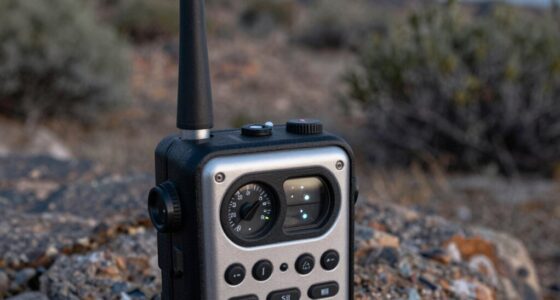
Imagine silence creeping in, phone lines dead, leaving you in the dark. Don’t panic—grab your battery backup to power your cell or emergency radio. These devices keep you connected when traditional lines fail. Emergency radios, especially those with NOAA weather alerts, provide essential updates. Keep them charged and within reach. With these tools, you can still hear important news and reach loved ones, even when phone lines are down.
Conclusion
So there you have it—your foolproof, oh-so-simple outage plan. Just follow these steps, stay calm, and pretend you’re on a thrilling adventure rather than a power failure. Who knew handling a blackout could be so easy? Remember, if all else fails, just light a candle and enjoy the mystery. After all, what’s life without a little unexpected excitement? Stay prepared, stay calm, and maybe invest in a flashlight—just in case.