
If you suspect your wallet is compromised, act quickly by stopping all transactions, disabling online access, and disconnecting devices from the internet. Change your passwords and enable two-factor authentication immediately. Review recent activity for unfamiliar transactions and document any suspicious activity. Contact your wallet provider or exchange to report the issue. Run security scans to detect malware, and use a fresh device to update credentials. Staying vigilant and following these steps can help contain the breach effectively—learn more to protect your assets.
Key Takeaways
- Immediately stop all transactions, disconnect devices, and review recent activity for suspicious transactions.
- Change passwords and enable two-factor authentication on all related accounts and wallets.
- Contact your wallet provider or exchange to report the breach and seek guidance.
- Run security scans and remove malware or keyloggers before re-accessing accounts.
- Monitor accounts closely for unauthorized activity and report any suspicious transactions promptly.
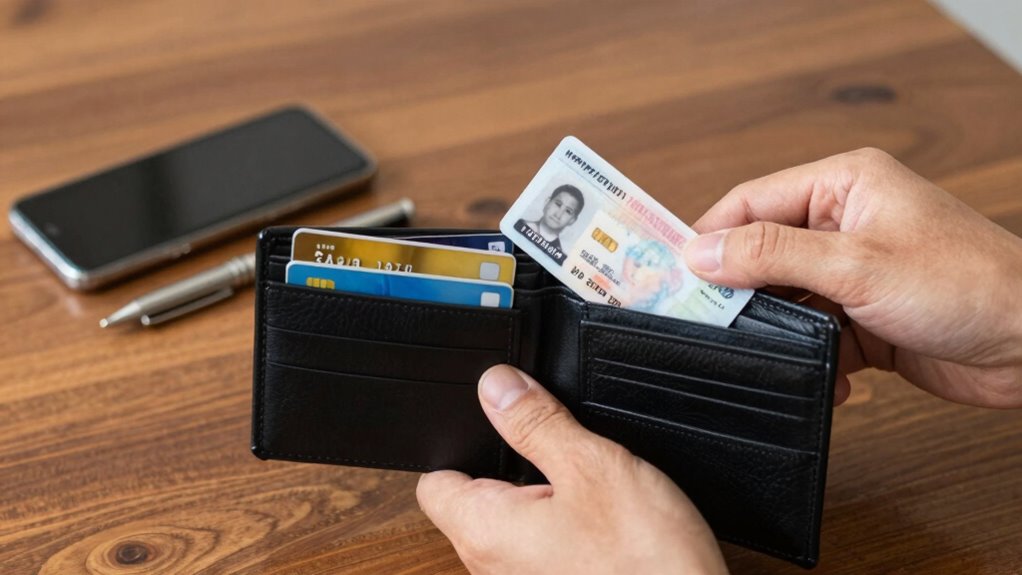
Discovering that your wallet has been compromised can be alarming, but acting quickly is essential to minimize damage. When you suspect cryptocurrency theft or notice signs of identity fraud, your immediate priority is to contain the breach before it worsens. The first step is to stop any ongoing transactions if possible, such as disabling your online wallet access or changing passwords. If you use a hardware wallet, disconnect it from the internet to prevent further unauthorized activity. This quick action helps prevent the thief from draining more funds or accessing additional personal information.
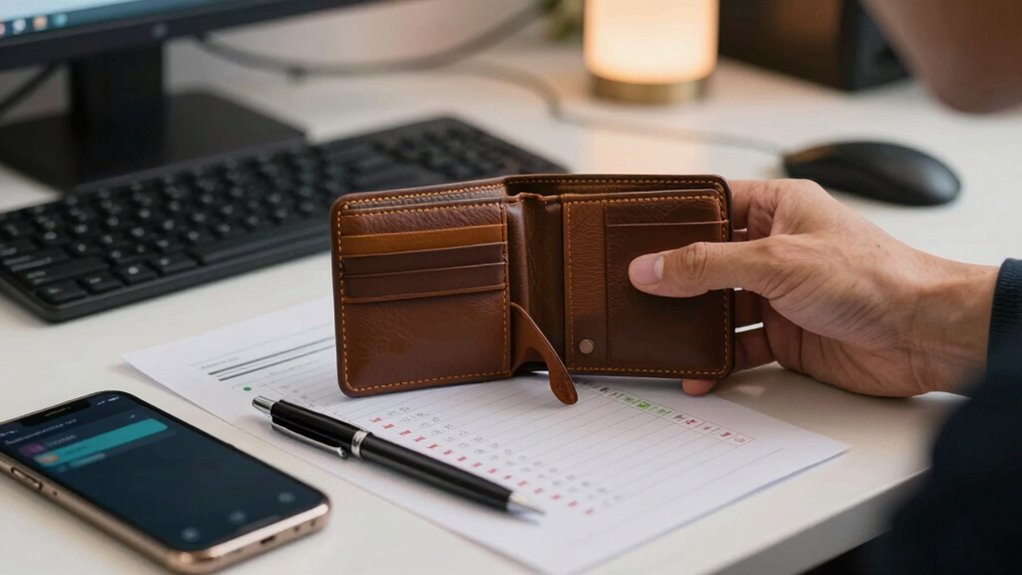
Next, review recent transactions carefully. Check your account history for any unfamiliar activity or withdrawals you didn’t authorize. Document these suspicious transactions, as you’ll need this information when reporting the breach. Contact your wallet provider or exchange immediately to report the compromise. Many platforms have dedicated support teams to assist in freezing accounts or initiating security protocols. Reporting cryptocurrency theft early can help recover stolen funds or at least prevent the thief from moving assets further.
Review transactions carefully, document suspicious activity, and contact your provider immediately to prevent further theft.
Simultaneously, tighten your security measures. Change your account passwords, especially those associated with your wallet and email addresses linked to your financial accounts. Enable two-factor authentication if it’s available, adding an extra layer of protection. Be cautious with any email or message requesting your private keys or login details, as scammers often leverage identity fraud to extract sensitive information. Do not share personal information with anyone unless you’re certain of their identity and legitimacy.
Consider running a full security scan on your devices to detect malware or keyloggers that might have facilitated the breach. If you suspect your device was compromised, it’s wise to disconnect it from the internet and use a clean device to change your credentials. This helps ensure the thief doesn’t regain access to your accounts. Also, inform your financial institutions and any other relevant entities about the breach, especially if you believe your identity has been stolen. This step helps prevent further identity fraud and protects your credit.
Additionally, be aware that phantom income can sometimes be a hidden consequence of such breaches, especially if assets like stocks or cryptocurrencies appreciate unexpectedly during the period of compromise. This step helps prevent further identity fraud and protects your credit. Lastly, monitor your accounts closely over the coming weeks. Keep an eye out for any unusual activity, unfamiliar transactions, or changes to your personal information. If you notice anything suspicious, report it immediately. Consider placing a fraud alert or credit freeze through credit bureaus if your identity might be compromised. Remember, swift action is critical—delays can lead to greater financial loss and more extensive damage to your personal identity. By following these steps, you’re taking control of the situation and working to contain the breach effectively.
Frequently Asked Questions
How Can I Prevent My Wallet From Being Compromised in the First Place?
To prevent your wallet from being compromised, prioritize digital security and theft prevention. Use strong, unique passwords for your online accounts and enable two-factor authentication whenever possible. Be cautious when sharing personal info and avoid storing sensitive data digitally on unsecured devices. Keep your wallet in a safe place, monitor your accounts regularly, and stay alert for suspicious activity. These steps help you stay one step ahead of potential threats.
What Signs Indicate My Wallet Has Been Stolen or Hacked?
You’ll notice signs like unauthorized transactions or unfamiliar charges, which indicate your wallet may have been hacked. Also, look out for missing cards, alerts from your bank, or suspicious activity in your accounts. Staying vigilant with cybersecurity awareness and practicing fraud prevention techniques helps you spot these signs early. If you see anything unusual, act quickly to minimize damage and protect your finances from further compromise.
Should I Notify My Bank Immediately if I Suspect a Breach?
Yes, you should notify your bank immediately if you suspect a breach. Doing so helps prevent bank fraud and unauthorized transactions. Ask your bank to monitor your account for suspicious activity and consider enrolling in credit monitoring services. Quick action minimizes damage and helps protect your finances. Don’t delay—contact your bank as soon as possible to secure your account and get guidance on next steps.
How Long Does It Typically Take to Recover From Wallet Theft?
Recovering from wallet theft can take anywhere from a few days to several weeks, depending on the severity of the breach and how quickly you act. You might need to work on cryptocurrency recovery, which involves tracking stolen assets and securing new wallets. If identity theft is involved, you’ll also need to monitor your credit reports and report the theft promptly. Staying proactive helps speed up the process and minimizes damage.
Are There Legal Steps I Should Take After Wallet Theft or Compromise?
You should take legal steps immediately after wallet theft, like reporting to authorities and contacting your bank. While legal remedies help protect your rights, following proper reporting procedures ensures swift action. Filing a police report provides an official record, which can be vital for investigations and disputes. Don’t delay—report the theft, notify your credit agencies, and keep records of all communications to safeguard your identity and finances.
Conclusion
Just like finding a lost key in your pocket, discovering your wallet’s compromised can catch you off guard. But remember, acting quickly can turn coincidences into control. By following this checklist, you’re taking charge of the situation before it spirals further. Keep calm, stay vigilant, and trust your instincts—sometimes, a small step now can prevent a bigger headache later. Don’t let a simple slip-up turn into a costly mistake; stay one step ahead.