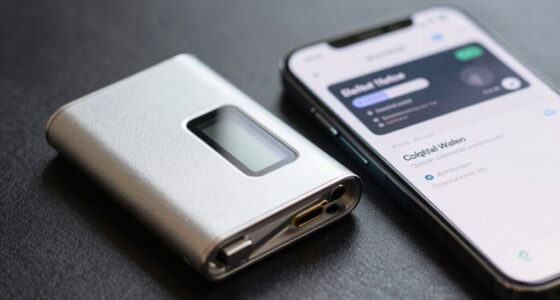
Offline crypto security means using air-gapped devices that are completely disconnected from all untrusted networks like the internet. These devices are physically isolated, preventing cyber attacks and unauthorized access. You rely on strict physical security, secure hardware design, and careful handling of data transfer methods such as USB drives. This combined approach makes it extremely hard for hackers to breach sensitive information. If you want to understand how these measures work together, keep exploring further.
Key Takeaways
- Offline crypto security relies on physically isolating devices from unsecured networks to protect sensitive data.
- Hardware integrity and tamper-evidence are critical to prevent unauthorized access or tampering.
- Data transfer is conducted via secure, verified physical media to avoid cyber threats.
- Physical security measures, such as surveillance and access controls, reinforce the device’s isolation.
- Combining hardware, physical safeguards, and procedural protocols ensures robust offline cryptographic protection.
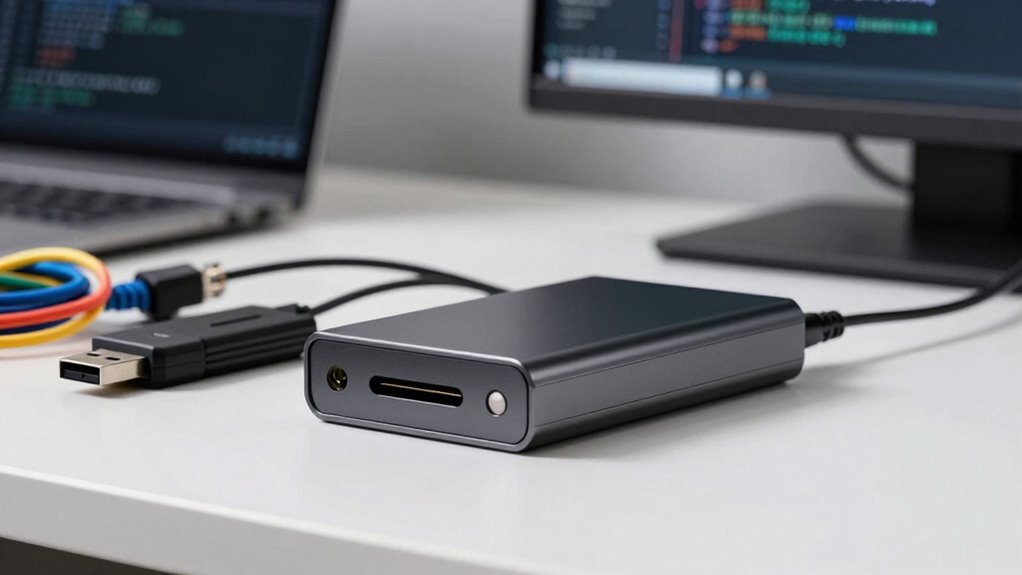
Air-gapped devices are those intentionally isolated from unsecured networks, including the internet, to protect sensitive information from cyber threats. When you set up an air-gapped system, you rely heavily on hardware isolation to keep data safe. Unlike connected systems, these devices don’t communicate with external networks, making physical security a top priority. You need to guarantee that no unauthorized person can access or tamper with the hardware, as even small breaches can compromise the entire security setup.
Air-gapped devices rely on hardware isolation and strict physical security to safeguard sensitive data from cyber threats.
Physical security involves more than just placing devices in a locked room. It includes measures like secure cabinets, biometric access controls, and surveillance to prevent theft, tampering, or insider threats. You must control who enters the environment where the air-gapped device resides, and you should monitor all access points continuously. This way, you reduce the risk of someone physically introducing malware or stealing sensitive data by removing or manipulating the hardware. Remember, the strength of your air-gap depends on your ability to maintain strict physical security.
Hardware isolation also extends to how you handle the devices during setup, maintenance, and data transfer. For instance, you should only connect the device to external storage or networks in controlled environments, such as secure transfer stations. Never connect an air-gapped device to the internet or untrusted networks without proper safeguards. When transferring data, you typically use physical media like USB drives, which must be carefully scanned and verified before use. This process ensures that no malicious code sneaks in through seemingly innocuous external devices.
Furthermore, the hardware itself should be designed or chosen to minimize vulnerabilities. You might opt for tamper-evident seals or hardware that disables ports when not in use. These measures help detect or prevent physical tampering. You should also consider environmental controls—like temperature, humidity, and vibration—to preserve hardware integrity and prevent accidental damage that could compromise security.
In essence, the security of an air-gapped device hinges on controlling both physical access and the integrity of the hardware itself. You’re not just relying on software or encryption; you’re building a physical barrier that keeps malicious actors out. By ensuring robust hardware isolation and implementing rigorous physical security measures, you make it greatly harder for attackers to breach your defenses. This approach forms the foundation of true offline crypto security, where the physical and digital worlds intersect to safeguard your most sensitive information. Effective security relies on a comprehensive approach that combines hardware, physical, and procedural safeguards to ensure maximum protection.

Non Transfer Tamper Evident Security Warranty Void Seals/Stickers High Security Tamper for Reusable Package or Expensive Surface with Serial Numbers(1 x 3.35Inches,100pcs,Blue)
【PROTECT YOUR ASSETS】- Security hidden messages (“VOIDOPEN”) will show up on the sticker surface if attempts are made…
As an affiliate, we earn on qualifying purchases.
As an affiliate, we earn on qualifying purchases.
Frequently Asked Questions
Can Air-Gapped Devices Ever Be Completely Immune to Hacking?
No, air-gapped devices can never be completely immune to hacking. While they considerably reduce risks, attackers can exploit electromagnetic leaks or supply chain compromises to breach them. You need to stay vigilant about physical security and supply chain integrity, as sophisticated adversaries might find ways to extract data or introduce vulnerabilities. Complete immunity is unrealistic, but proper security measures make successful attacks exceedingly difficult.
What Are the Best Practices for Maintaining Offline Crypto Security?
To maintain offline crypto security, you should prioritize physical isolation by keeping your devices disconnected from the internet when not in use. Regularly verify supply chain integrity to prevent tampering or malware introduction. Use secure methods to transfer data, such as encrypted USB drives, and minimize exposure by limiting access. Consistently update your security protocols, and always monitor for potential vulnerabilities to guarantee your offline crypto environment remains resilient.
How Do Attackers Typically Breach Air-Gapped Systems?
Attackers breach air-gapped systems through insider threats or supply chain attacks. They might exploit malicious insiders with access or insert compromised hardware during manufacturing or updates. You’re vulnerable if you don’t monitor personnel activities or verify supply chain integrity. Attackers sometimes use specialized malware or physical methods like sneaking in infected devices or removable media. Staying vigilant about insider risks and supply chain security is essential to protect your offline crypto systems.
Are There Risks of Data Transfer via Unconventional Methods?
While it seems impossible, data transfer via unconventional methods like covert channels and electromagnetic leaks does pose risks. Attackers can exploit electromagnetic emissions or create covert channels to sneak data out of air-gapped systems. These methods are subtle yet effective, making it essential to monitor for unusual electromagnetic activity and implement strict security measures. Staying vigilant helps prevent attackers from exploiting these hidden vulnerabilities to breach your offline crypto security.
What Specific Hardware Vulnerabilities Affect Air-Gapped Devices?
You face vulnerabilities like hardware backdoors, which malicious actors might secretly install, allowing remote access or data extraction. Electromagnetic leaks pose another risk, as sensitive information can escape through electromagnetic signals emitted by your device. These vulnerabilities highlight that even air-gapped devices aren’t immune to sophisticated attacks, so you should regularly inspect hardware and use shielding techniques to mitigate these risks.

BILLCONCH Gun Safe for Handgun – Biometric Gun Safe 4 Ways Quick Access with Fingerprint/Full-digital Keypad/Key/APP Lock Handgun Pistol Safe for Nightstand Bedside Home
Convenient App Operation: Simply connect with your phone APP and slide the screen to unlock the gun safes…
As an affiliate, we earn on qualifying purchases.
As an affiliate, we earn on qualifying purchases.
Conclusion
Remember, an air-gapped device isn’t just a computer—it’s a fortress, a last bastion of hope in a digital battlefield. When you think it’s completely safe, think again—cybercriminals are relentless, cunning, and always find a way in. So, don’t rely on offline security alone; it’s your final line of defense. Protect it fiercely, because losing it could mean losing everything—your secrets, your safety, your entire digital life.

JSAUX USB Data Blocker & USB C Data Blocker (4-Pack), Transparent Type A & Type C Data Blocker Only for Charge, Protect Against Juice Jacking, Prevent Hacking for Safe Charging
The Ultimate Data Guardian: Worried about the risk of mobile phone data leakage or viruses when using public…
As an affiliate, we earn on qualifying purchases.
As an affiliate, we earn on qualifying purchases.

CaseSack Bitcoin Case for ELLIPAL Hardware Wallet Air-gapped & Internet Isolated Security Crypto Wallet Titan Mini
Perfect for ELLIPAL Hardware Wallet Air-gapped & Internet Isolated Security Crypto Wallet Titan Mini, ELLIPAL Crypto Seed Phrase…
As an affiliate, we earn on qualifying purchases.
As an affiliate, we earn on qualifying purchases.