
Understanding the differences between Layer 0, Layer 1, and Layer 2 can clear up where altcoin confusion begins. Layer 0 is the foundation that connects multiple blockchains, enabling interoperability. Layer 1 handles the main network functions like consensus and security but can face scalability issues. Layer 2 builds on top to speed transactions and reduce fees without compromising security. If you want to get a clearer picture of how these layers work together, keep exploring this topic further.
Key Takeaways
- Layer 0 is the foundational infrastructure enabling interoperability between blockchains, reducing fragmentation and supporting cross-chain communication.
- Layer 1 handles core blockchain functions, including transaction processing, scalability, and security at the base network level.
- Layer 2 builds on Layer 1 to improve transaction speed and reduce fees through off-chain solutions like rollups and state channels.
- Confusion arises because many think all layers serve the same purpose; in reality, each layer addresses different scalability and connectivity challenges.
- Understanding the distinct roles of each layer clarifies altcoin features and prevents misconceptions about their capabilities and security.

iCoin Hardware Wallet – The Most Trusted Digital Crypto Hardware Wallet with a 3in Color LCD Touchscreen, Digital Wallet for NFT, Crypto Currency and Tokens; All-in-one
Cryptocurrency cold storage made easy. The iCoin Wallet securely holds your Bitcoin & Ethereum Private Keys encrypted in…
As an affiliate, we earn on qualifying purchases.
As an affiliate, we earn on qualifying purchases.
What Are Blockchain Layers and Why Do They Matter?
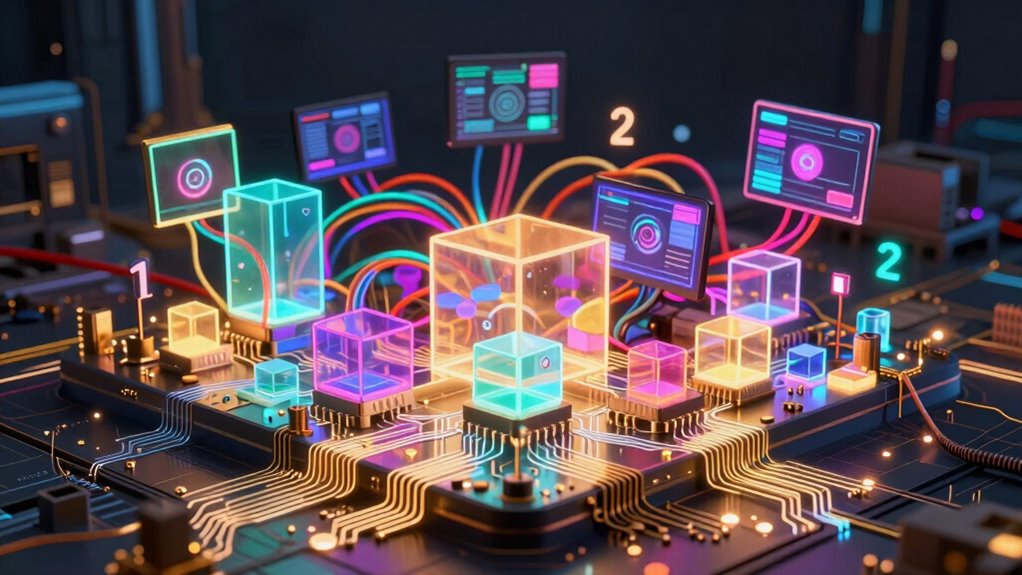
Have you ever wondered how blockchain networks handle increasing transaction demands while maintaining speed and security? That’s where blockchain layers come into play. They help address interoperability challenges, enabling different networks to communicate smoothly. Layer 1, like Bitcoin or Ethereum, provides the base security and decentralization but can face scalability issues. Layer 2 solutions, built on top, improve transaction speed without compromising security by offloading work from the main chain. Layer 0 acts as an underlying foundation, connecting multiple blockchains. Understanding these layers matters because they directly impact network performance and security implications. Without properly designed layers, networks risk bottlenecks, vulnerabilities, or limited functionality. Each layer plays a vital role in creating a scalable, secure, and interconnected blockchain ecosystem. Additionally, European cloud infrastructure can support these blockchain layers by providing sustainable and secure hosting solutions for blockchain networks. Recognizing the interoperability between layers is crucial for building a cohesive blockchain environment that can adapt to future technological advancements. Moreover, robust network architecture is essential to optimize the integration of these layers and ensure seamless operation across diverse blockchain platforms.

Blockchain Beyond Ethereum: Developing Cross-Chain Solutions with Solidity
As an affiliate, we earn on qualifying purchases.
As an affiliate, we earn on qualifying purchases.
What Is Layer 0? The Foundation of Blockchain Networks

Ever wonder what lies beneath the layers of blockchain networks? That’s where Layer 0 comes in. It forms the foundation, enabling different blockchains to connect and communicate. Layer 0 addresses interoperability challenges by creating a shared infrastructure that supports multiple protocols. It also considers security considerations, ensuring this foundational layer is robust against attacks and vulnerabilities. By providing a common base, Layer 0 helps streamline cross-chain interactions, reducing fragmentation. Its key components include:
Layer 0 creates a shared infrastructure, enabling seamless cross-chain communication and enhancing blockchain security.
- Cross-chain bridges and protocols
- Shared security mechanisms
- Network consensus models
- Scalability solutions for foundational infrastructure
- Incorporating security considerations into its design to protect against potential threats
Understanding Layer 0 is essential because it sets the groundwork for how blockchain networks interact and evolve, fostering a more interconnected and secure ecosystem.

Mastering the Lightning Network: A Second Layer Blockchain Protocol for Instant Bitcoin Payments
As an affiliate, we earn on qualifying purchases.
As an affiliate, we earn on qualifying purchases.
How Do Layer 1 Protocols Enable Blockchain Scalability?

Layer 1 protocols play a crucial role in enabling blockchain scalability by implementing mechanisms that increase transaction throughput and reduce confirmation times. They do this through scalability solutions like adjusting block size, optimizing consensus algorithms, and introducing sharding. These changes allow more transactions to be processed within each block, effectively boosting the network’s capacity. By reducing the time it takes for transactions to be confirmed, Layer 1 protocols help prevent network congestion and keep transaction fees low. This direct approach improves the overall efficiency of the blockchain without relying on secondary solutions. Your focus on scalability solutions at this layer ensures the network can handle higher demand, making it more practical for everyday use and supporting broader adoption of cryptocurrencies.

Sidechain and Layer- 2 Scaling : Scaling Ethereum Networks with Sidechains and Layer-2 Solutions
As an affiliate, we earn on qualifying purchases.
As an affiliate, we earn on qualifying purchases.
What Are Layer 2 Solutions and How Do They Speed Up Transactions?

Are you wondering how Layer 2 solutions can make blockchain transactions faster? These scaling solutions operate on top of the main blockchain (Layer 1) to improve transaction speed without overburdening the network. By handling transactions off-chain or in side channels, they reduce congestion and lower fees. Layer 2 solutions include techniques like state channels, rollups, and sidechains, which process multiple transactions outside the main chain before settling the final state. This approach allows for quicker confirmation times and enhanced scalability. Inspiring Ideas for a Joyful and Fulfilling Life help us find balance and efficiency in our digital interactions. Additionally, understanding cryptocurrency networks is essential for appreciating how these solutions contribute to overall blockchain performance. As the demand for secure and resilient digital assets grows, AI cybersecurity plays a vital role in safeguarding these innovative systems.
Which Blockchain Layer Is Right for Your Investment or Use Case?

Choosing the right blockchain layer depends on your specific needs and goals. If you prioritize Cross Chain Compatibility, Layer 0 might be ideal, as it facilitates interoperability between different blockchains. For applications requiring enhanced security and decentralization, Layer 1 solutions like Ethereum or Bitcoin are suitable. If your focus is on faster transactions and scalability, Layer 2 solutions such as rollups or state channels can help. Additionally, consider whether decentralized identity features are essential for your project, which are often supported more robustly in Layer 1 or Layer 0 networks. Assess your use case carefully—whether it’s cross-chain interactions, privacy, or speed—to determine the best fit. Your choice should align with your project’s technical needs, user experience goals, and long-term scalability plans. Understanding the fundamentals of blockchain layers can help inform your decision-making process.
How to Tell Blockchain Layers Apart: Myths and Common Confusions?
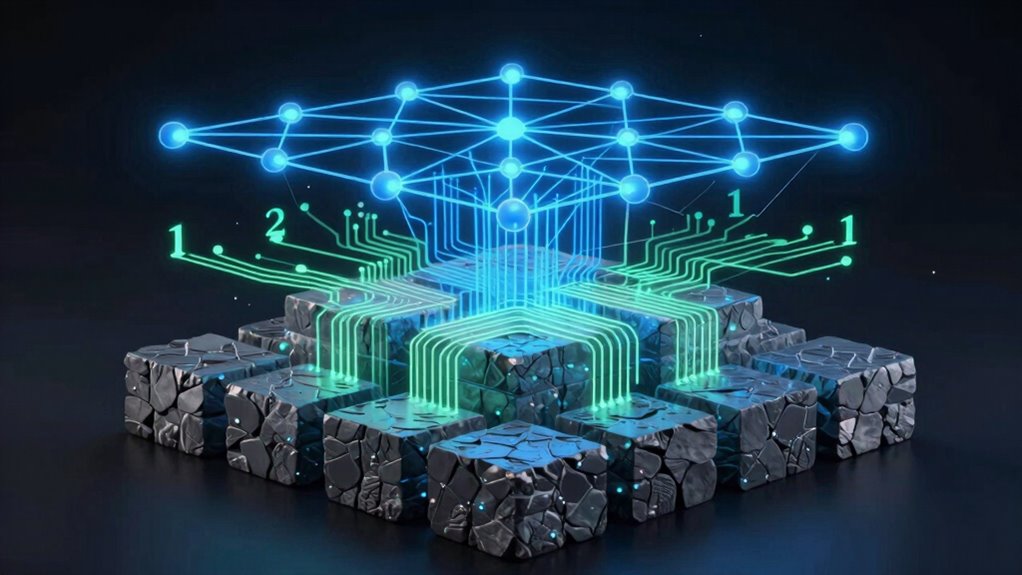
Understanding the differences between blockchain layers can be confusing, especially with so many myths and misconceptions circulating. Many believe that each layer serves the same purpose or that upgrades automatically fix security concerns. It’s essential to recognize that interoperability challenges can hinder smooth communication between layers, complicating multi-layer systems. Security concerns also differ; Layer 1 blockchains prioritize decentralization and security, while Layer 2 solutions may introduce new attack vectors. Myths like “Layer 2 is less secure” or “Layer 0 just connects networks” oversimplify complex structures. To tell layers apart, focus on their roles: Layer 0 builds the foundation, Layer 1 handles main transactions, and Layer 2 improves scalability. Clear understanding helps avoid misconceptions and better navigate blockchain technology.
Frequently Asked Questions
How Do Blockchain Layers Impact Transaction Fees?
Blockchain layers directly impact your transaction fees by enabling better layer integration and scalability. Layer 1 solutions often have higher fees due to network congestion, while Layer 2 options reduce costs by processing transactions off-chain. Blockchain interoperability ensures smooth communication across layers, optimizing fee structures. By choosing the right layer, you can save money and enjoy faster transactions, making your experience more efficient and cost-effective.
Can Multiple Layers Coexist on the Same Blockchain?
Think of blockchain layers as a multi-layered cake—yes, they can coexist! While interoperability challenges and layer differentiation can make integration tricky, multiple layers often operate on the same blockchain to enhance scalability and functionality. You might see Layer 1 and Layer 2 working side by side, each serving different purposes. Embracing this layered approach lets you enjoy faster transactions while maintaining security, creating a more versatile blockchain ecosystem.
What Are the Security Implications of Each Layer Type?
You should know that each layer type impacts security differently, with Layer 1 offering strong security but limited flexibility, while Layer 2 solutions can introduce interoperability challenges that may weaken decentralization. Layer 0 enhances scalability but might also create new attack vectors. Balancing decentralization trade-offs and maintaining security requires careful consideration, as higher flexibility can sometimes come at the expense of robustness, making your network more vulnerable to certain risks.
Which Layer Offers the Best Scalability for Enterprise Use?
Layer 2 solutions offer the best scalability for enterprise use because they handle transactions off the main chain, reducing congestion and transaction fees. However, you might face interoperability challenges that hinder seamless integration with existing systems, affecting user adoption. Despite this, Layer 2 solutions are promising for scaling, but you’ll need to address these challenges to guarantee smooth operation and widespread acceptance in enterprise environments.
How Do Upgrades Differ Across Layer 0, 1, and 2?
Upgrades across layers are like renovating a house—each has its own pace and focus. Layer 0 upgrades improve core security and connect different blockchains, often involving consensus mechanisms. Layer 1 upgrades boost scalability and transaction speed but may affect security. Layer 2 upgrades, like sidechains, enhance scalability while maintaining Layer 1 security. You weigh these tradeoffs carefully, as improvements in one area can sometimes compromise another’s security or performance.
Conclusion
So, next time you hear about Layer 0, 1, or 2, don’t be fooled into thinking it’s all just jargon. The truth? It’s a clever way for projects to sound complex while actually just splitting hairs. Ironically, understanding these layers can make your investment choices clearer—or more confusing. Either way, don’t let the hype distract you from doing your homework. After all, in the world of blockchain, clarity is often the real illusion.