
Stablecoins are designed to keep their value close to $1, but recent events show they don’t always stay pegged. Factors like reserve mismanagement, market volatility, liquidity shortages, or external shocks can cause them to depeg temporarily or permanently. Algorithmic stablecoins and transparency issues also raise risks. Understanding these causes and how stability mechanisms work can help you recognize and respond to potential depegs. If you want to know more, there’s much more to explore.
Key Takeaways
- Stablecoins rely on collateral reserves or algorithms, which can fail or be mismanaged, causing deviations from the $1 peg.
- External events like market shocks, regulatory actions, or liquidity crises can erode confidence and trigger depegs.
- Lack of transparency or inadequate reserve management increases risk and makes stablecoins vulnerable to losing their peg.
- Market sentiment, investor panic, and large withdrawals can cause rapid price swings away from $1.
- Depegs impact investor trust, reduce liquidity, and can lead to broader instability within the crypto ecosystem.
What Are Stablecoins and How Do They Avoid Depegs
Stablecoins are digital assets designed to maintain a steady value by pegging themselves to real-world assets like fiat currencies or commodities. To avoid depegs, issuers focus on addressing regulatory considerations and leveraging technological innovations. Regulatory frameworks help ensure transparency and trust, guiding how stablecoins are backed and managed. Compliance with these rules reduces risks of sudden depegs caused by legal uncertainties. Technological innovations, such as smart contracts and real-time audits, enhance stability by providing transparency and automatic adjustments. These tools allow you to monitor reserves and ensure the stablecoin remains pegged as intended. Additionally, implementing robust collateralization strategies is vital for supporting the peg during market fluctuations. Incorporating technological safeguards further strengthens stability by enabling rapid responses to market shifts. For example, frequent reserve audits can detect potential issues early and prevent depegs. Combining regulatory oversight with advanced technological solutions creates a more resilient stablecoin ecosystem capable of withstanding volatility. By integrating these approaches, stablecoins can better withstand market volatility and maintain their dollar-pegged value, giving you more confidence in their reliability. Moreover, continuous market monitoring helps issuers respond swiftly to emerging risks and preserve stability.
Common Causes of Stablecoin Depegs
One of the most common causes of stablecoin depegs is a sudden drop in the reserves backing the asset, which can happen if issuers mismanage funds or face liquidity crises. When confidence wanes, redemption requests outpace available assets, triggering depegs. Cryptocurrency innovations have improved stability mechanisms, but they also introduce new risks. Regulatory challenges can limit transparency and restrict reserve management, increasing vulnerability. Here’s how different causes stack up:
| Cause | Impact |
|---|---|
| Reserve mismanagement | Loss of backing, depeg risk |
| Liquidity crises | Inability to meet redemption demands |
| Regulatory pressures | Reduced transparency, panic selling |
| Market volatility | Sudden price swings affecting reserves |
Understanding these causes helps you grasp why stablecoins sometimes stray from their $1 peg.
External Events That Can Trigger a Stablecoin Break

External events such as regulatory crackdowns, macroeconomic shocks, or geopolitical tensions can rapidly undermine confidence in stablecoins. These shocks can trigger sudden sell-offs or liquidity crises, causing the peg to break. Regulatory crackdowns may lead to restrictions or bans, forcing you to abandon stablecoins or face legal risks. Macroeconomic shocks, like inflation spikes or currency devaluations, can diminish the perceived stability of dollar-pegged assets. Geopolitical tensions increase market uncertainty and can reduce trust in the stability of the broader financial system. Such external events often cause panic, prompting massive withdrawals and liquidity shortages. Additionally, liquidity management in stablecoins is crucial during times of crisis to prevent destabilization. Staying aware of these risks helps you understand how external shocks can destabilize even the most well-designed stablecoins, emphasizing the importance of resilience and risk management.
How Reserve Management Keeps Stablecoins Pegged
Ever wonder how stablecoins maintain their fixed value despite market fluctuations? It all comes down to reserve strategies and diligent collateral monitoring. Stablecoin issuers hold reserves—like fiat currency or other assets—that back each token, ensuring a 1:1 peg to the dollar. They constantly monitor these collateral assets to verify their value and liquidity, preventing any shortfalls. This ongoing process of reserve management** involves regularly assessing asset quality and adjusting holdings as needed. If market conditions change, the issuer can adjust reserves or liquidate assets to keep the peg intact. This continuous process of reserve management ensures stability, even during volatility. By maintaining transparent collateral monitoring and adjusting reserves as needed, stablecoins can uphold their dollar peg, giving users confidence that their tokens are reliably worth $1. Proper reserve management is essential to adapt to market dynamics and sustain the peg over time. Additionally, implementing asset valuation techniques helps issuers accurately determine the worth of their collateral, further supporting stability. Regular collateral audits are also crucial to verify holdings and reinforce trust in the system. Ensuring that reserves are liquid and accessible** allows for quick responses to market shifts, maintaining the peg effectively.
Risks of Algorithmic Stablecoins and How They Can Depeg

You need to understand that algorithmic stablecoins face risks like sudden collapses if their mechanisms fail. Market sentiment can quickly influence their stability, making depegs more likely during downturns. Without collateral backing, these coins rely solely on algorithms, which can break down and cause significant depegs.
Algorithmic Collapses Risk
Algorithmic stablecoins rely on complex algorithms and smart contracts to maintain their peg, but this dependence can lead to significant risks. If the algorithms malfunction or market conditions shift suddenly, it can trigger a collapse. A key issue is collateral failure, where the backing assets don’t cover the stablecoin supply, causing a depeg. Market panic can amplify these risks, leading to rapid sell-offs. Algorithmic risks include flawed code, misaligned incentives, and unforeseen vulnerabilities that can destabilize the system. When confidence drops, the stablecoin can lose its peg, sometimes abruptly. Without sufficient safeguards, a small glitch can escalate into a full-blown collapse, leaving holders exposed to losses and eroding trust in the system.
- Flawed algorithm execution
- Insufficient collateral backing
- Market panic triggers
- Vulnerability to exploits
Market Sentiment Impact
Market sentiment plays a pivotal role in the stability of algorithmic stablecoins, as confidence or doubt among investors can trigger rapid depegs. When investor confidence wanes, fears about the stablecoin’s ability to maintain its peg spread quickly through the market. Negative sentiment, fueled by rumors, market crashes, or perceived flaws, can cause a mass sell-off, pushing the price below $1. Conversely, strong positive sentiment can temporarily inflate the stablecoin’s value, masking underlying vulnerabilities. Since algorithmic stablecoins rely heavily on market sentiment rather than collateral backing, they’re especially vulnerable to swings in investor confidence. This volatility makes them fragile, as a sudden shift in sentiment can lead to a rapid loss of stability, underscoring the importance of trust in these systems.
Lack of Collateral
The absence of collateral backing makes algorithmic stablecoins inherently vulnerable to depegging events. Without tangible assets or collateral transparency, these stablecoins rely solely on algorithms and market sentiment to maintain their peg. If confidence drops or reserve auditing fails to verify holdings, the stablecoin can quickly lose its $1 value. You should be aware that a lack of reserve transparency hampers trust and makes depegging more likely. Additionally, the absence of collateral means there’s no safety net if the algorithmic mechanisms falter. Risks include sudden market shocks, liquidity shortages, and mismanagement. To reduce these risks, transparent reserve auditing practices are essential, providing assurance that the stablecoin is backed by sufficient assets and can sustain its peg during turbulent times.
How to Recognize and Respond to a Stablecoin Depeg
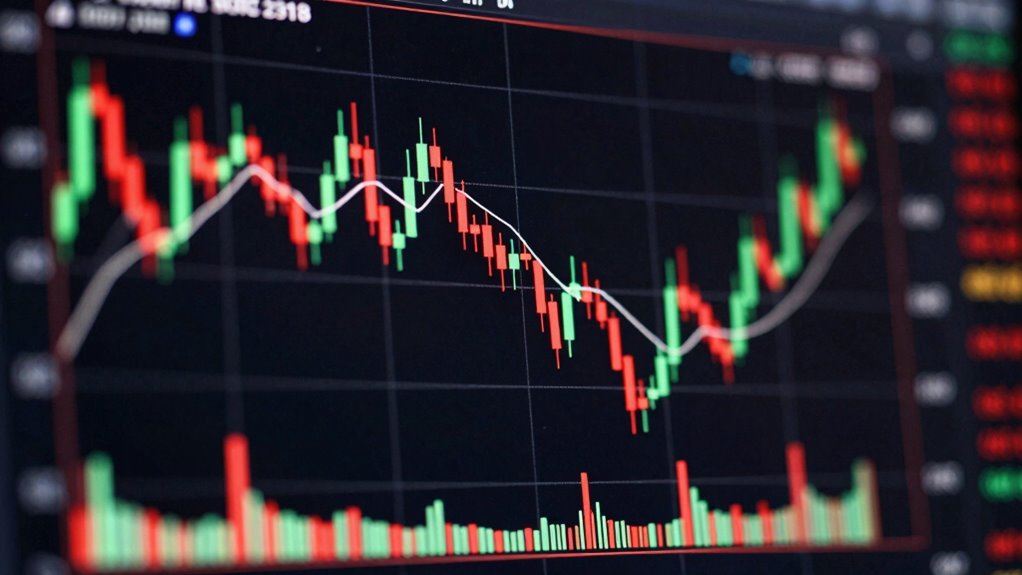
A stablecoin depeg occurs when the coin’s value drifts away from its intended peg, often signaling underlying issues. To recognize a depeg, monitor market prices and trading volumes closely. Sudden drops or persistent deviations indicate instability. Stay alert for regulatory challenges, which can cause abrupt depegs if authorities impose restrictions or bans. Technological vulnerabilities, like security breaches or smart contract flaws, can also trigger sudden depegs. Respond quickly by verifying news sources, checking official announcements, and evaluating whether the depeg is temporary or signals deeper problems. Consider reducing exposure or moving funds to more stable assets if instability persists. Being proactive helps you limit losses and avoid falling victim to potential market chaos during a stablecoin depeg.
How Depegs Impact Investors and the Crypto Market

When a stablecoin depegs, your confidence in its value can quickly waver, causing you to question the stability of your investments. This instability can also lead to reduced market liquidity as traders pull back, making it harder to buy or sell assets smoothly. Ultimately, price stability becomes a challenge, risking broader disruptions in the crypto market that affect everyone involved. Additionally, fluctuations can undermine content quality and reliability, further impacting user trust and market stability. Incorporating practical knowledge and clear guidance can help investors better understand and navigate these volatile situations.
Investor Confidence Fluctuations
Depegs in stablecoins can sharply shake investor confidence, causing sudden doubts about the stability of the broader crypto market. When a stablecoin depegs, your investor psychology shifts from trust to caution, often leading to panic selling or hesitation. This volatility fuels uncertainty, making it harder to predict market movements. Regulatory influence also plays a role; news of potential crackdowns or restrictions can deepen fears and accelerate confidence loss. As your confidence wanes, you might withdraw investments or become more risk-averse. The ripple effect can trigger broader sell-offs, impacting other assets. Overall, depegs undermine the perceived reliability of stablecoins, which are meant to be safe havens, ultimately destabilizing investor sentiment and market stability. Sudden loss of trust in stable assets can lead to a rapid shift in market dynamics, emphasizing the importance of understanding cryptocurrency regulations and their potential impact on market stability. Additionally, the interconnected nature of digital assets means that a depeg can quickly influence market confidence across various sectors of the crypto economy. Recognizing how market dynamics respond to stability issues can help investors better navigate turbulent periods.
Market Liquidity Risks
Depegs can substantially disrupt market liquidity because they often trigger rapid sell-offs as investors rush to exit their positions. This sudden surge in selling creates a liquidity crunch, making it harder to find buyers and causing prices to plummet further. As confidence erodes, market depth diminishes, reducing the ability to execute large trades without significant price impacts. When a stablecoin depegs, traders may panic, leading to a cascade of liquidations across the crypto space. This not only affects individual investors but also strains the broader market, amplifying volatility. The reduced liquidity makes it difficult to stabilize prices quickly, prolonging instability and increasing risks for everyone involved. In such scenarios, the market’s resilience is severely tested, heightening overall systemic risks.
Price Stability Challenges
A stablecoin losing its peg directly threatens price stability, causing immediate concerns for investors and the broader market. When a depeg occurs, confidence erodes, leading to potential liquidity crunches and increased volatility. You may face significant losses or difficulty in redeeming assets if trust in the stablecoin falters. Regulatory challenges add complexity, as governments may impose restrictions or crack down on issuers, exacerbating depegs. Technological vulnerabilities, such as smart contract bugs or hacking, can also trigger sudden depegs. These issues undermine the perceived safety and reliability of stablecoins, impacting investor behavior and market stability. Implementing robust cybersecurity measures is essential to mitigate these risks and protect digital assets.
Choosing Stablecoins Less Prone to Depegs

Choosing stablecoins that are less prone to depegs requires careful consideration of their underlying mechanisms and backing assets. Stablecoins with reserves held in highly liquid, transparent assets like fiat deposits or government bonds tend to be more stable. Market stability can be compromised if the backing assets are not robust or are subject to high volatility. Avoid coins vulnerable to market manipulation or insufficient backing. Central bank interventions can influence stability, especially when backing assets align with regulatory compliance standards. Stablecoins adhering to strict regulations and transparency reduce risks of sudden depegs. You should prioritize coins with clear audit reports and regulatory approval, signaling credibility and resilience against external shocks. Additionally, asset backing transparency is crucial for assessing the true stability of a stablecoin. Implementing robust regulatory oversight and reserve audits can further enhance confidence and help ensure the peg remains stable during turbulent market conditions. By evaluating these factors, you can select stablecoins better suited to withstand market volatility and maintain their peg, minimizing the risk of unexpected depegs.
Frequently Asked Questions
Can Stablecoins Ever Be Completely Risk-Free From Depegs?
You can’t make stablecoins completely risk-free from depegs. Algorithmic stability relies on complex mechanisms that can fail during extreme market conditions, and liquidity risk can prevent quick asset conversions when needed. While improvements reduce these risks, no stablecoin is entirely immune to depegs. Always stay cautious, understand the underlying stability methods, and consider potential vulnerabilities before trusting any stablecoin fully.
How Do Regulatory Changes Influence Stablecoin Stability?
Regulatory changes can shake stablecoin stability like a giant earthquake. You might see sudden legal uncertainties or new compliance rules that force issuers to adjust their backing strategies or operations. This volatility can cause temporary depegs or market panic. Staying compliant with evolving regulations helps maintain trust, but unexpected legal shifts can destabilize the system, making your stablecoin investments riskier than ever.
Are There Specific Stablecoins More Resistant to Depegs?
You’ll find that stablecoins like USDC and BUSD are more resistant to depegs because they have strong collateral backing and effective liquidity management. These coins maintain full reserves and actively manage liquidity to guarantee they can meet redemption demands quickly. This combination helps them stay close to their $1 peg even during market volatility, providing greater stability compared to less collateralized or poorly managed stablecoins.
What Role Do Market Sentiment and Trader Behavior Play in Depegs?
Market sentiment and trader behavior notably influence stablecoin depegs. When you see negative market psychology or fear spreading, traders react by selling off stablecoins, causing their value to slip below $1. Conversely, positive sentiment encourages buying, pushing prices back up. Your reactions, along with collective trader behavior, create a feedback loop that amplifies price swings, making stablecoins temporarily lose their peg despite their design to stay stable.
How Do Stablecoin Depegs Affect Broader Financial Systems?
When stablecoins depeg, you risk triggering systemic risk and a liquidity crunch in broader financial systems. As confidence drops, investors may withdraw rapidly, causing liquidity issues for exchanges and institutions relying on stablecoins. This can destabilize markets, reduce trust in digital assets, and ripple into traditional finance, potentially leading to broader economic instability. Staying alert to stablecoin stability helps you understand and mitigate these interconnected risks.
Conclusion
Understanding stablecoins helps you see that their “$1” value isn’t always guaranteed. With over $120 billion in circulation, a depeg can shake market confidence and impact your investments. By staying informed about reserve management and algorithm risks, you can better navigate these fluctuations. Remember, even a small 2% depeg can wipe out millions overnight, so choose stablecoins wisely and keep an eye on market signals to protect your assets.